
Removed door lock in Berlin: what happens to the old parts?
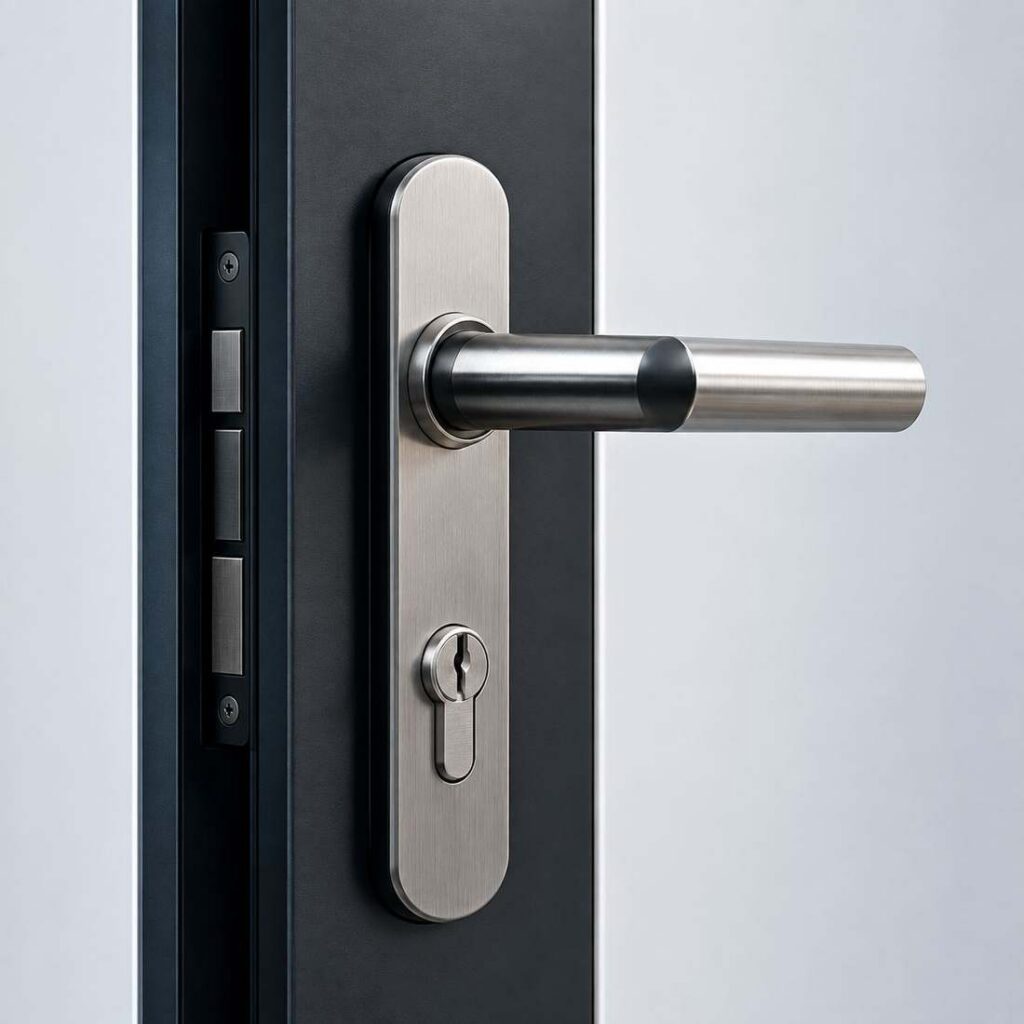
Will you need the removed door lock after a change in Berlin? Agree what will be returned, recorded or disposed of before the work begins.
Contents
Removed door lock: what should be handed back?
The replacement works, the invoice is ready and only as the locksmith is leaving do you remember that management wanted to see the old part. Agree what should be returned before work starts. Identify whether you mean the lock inside the door, the key cylinder, the fittings or the old keys. People commonly use “lock” for several of these different things.
A removed door lock may be needed for comparison with a quote, consultation with the owner or a later technical assessment. The purpose determines the record worth keeping. A handover note may be enough for one household. Another may need the actual component for an examination that has already been arranged.
A&J on door opening, lock replacement and repairs in Berlin. · Watch the video on Instagram
Who can accept the removed door lock?
Have the person authorising replacement clarify the return as well. The owner, resident and person paying the bill may be different people. Someone simply meeting the locksmith may not know about an existing agreement for an old component. Record a name and callback number before the visit begins.
Suppose management booked the work, a tenant lets the locksmith in and the supplier wants to examine the cylinder being replaced. Establish who receives the component and for what purpose. A brief confirmation prevents the same part being promised to the supplier and resident at the same time.
Keeping a removed door lock for a later query
Record the date, the door concerned and the symptom seen before removal. A factual description such as “the key turned but the door stayed closed” is enough. It remains valid even if the cause has yet to be established. If a professional assessment is planned, avoid taking the old part apart yourself.
If a business takes the part away, ask why and request a receipt. Agree who will receive the findings. An invoice listing only the replacement often says nothing about where the old item went. An extra line in the record can spare several follow-up calls.
Check old keys before discarding them
In a shared key system, the same key may still operate building, cellar or side-room doors after the change. Use existing records to establish its function. Do not leave old keys and cylinders openly labelled with a full home address. Keep old and new keys separate at handover until you know which set remains in daily use.
A handover note that still makes sense later
For example, note one cylinder returned to the named person, one faulty lock retained for the agreed inspection and three new keys issued to the resident. Add the date and contact. Checking the replacement at the door remains a separate part of the visit. You can then trace both today's function and the whereabouts of the original parts.
Removed door lock ahead of a second appointment
If today's work is only temporary, the old assembly may still be needed at the next visit. Agree who keeps it until then and who brings it back to the door. If a different locksmith attends next week, they should be able to find that note in the booking record. A conversation in the stairwell is easy to lose.
Store the papers and parts separately from spare keys in everyday use. An unmarked box of different old components gives the next provider little help. A private note with the date and room name is often enough to prevent a mix-up between two doors in the same flat.
Decision guide
| Situation | Next step |
|---|---|
| Old part needed for assessment | Record the recipient and purpose before removal. |
| Management books and resident attends | Confirm return instructions ahead of the visit. |
| Old key still serves shared doors | Confirm its continued use with the key administrator. |
Further guidance: Consumer advice on contracting a tradesperson (German)


