
Extending a keyed-alike system: Replacing cylinders in stages
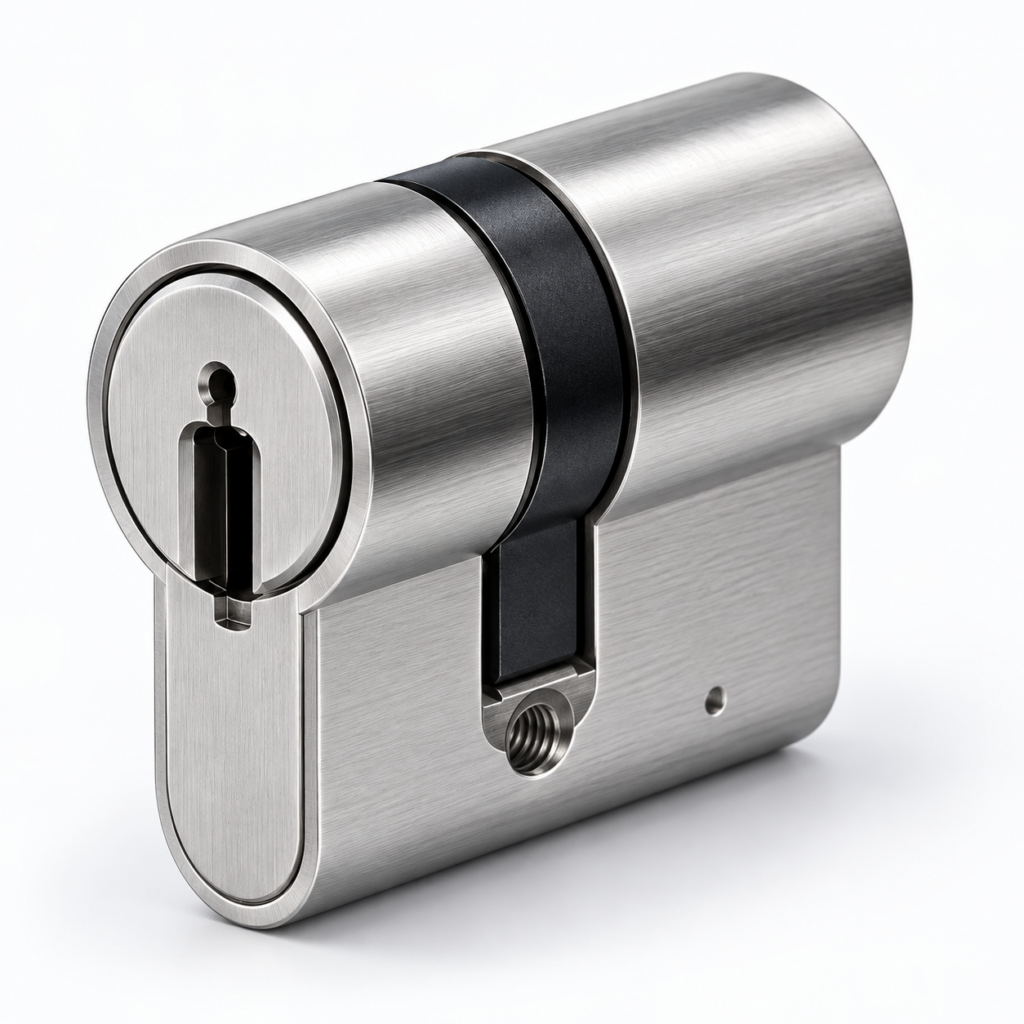
To extend a keyed-alike system, identify the future doors before replacing the first cylinder. Check the existing system, ordering authority and which people should be able to enter each space with the same key.
Contents
Start with a door-by-door plan
An owner wants a new flat entrance cylinder now and hopes to use the same key for a private storage room later. Their door list should capture two things: when each change will take place and who should eventually have access. The flat needs an immediate change; the storage cylinder will wait until renovation is complete. Ordering solely by the dimensions of the first door leaves future permissions unresolved.
For each door, write down who should use it. Relatives may need keys to the flat without needing entry to the storage room. In that case one shared key for both doors may not fit the plan. A seemingly convenient simplification can grant more access than intended. Discuss this before buying, especially if a door belongs to a communal system or different people manage the spaces.
What makes a later order possible?
Ask the specialist for the manufacturer, system name, current ordering route and any required security card. For protected systems, a card can establish entitlement to order. Procedures and records vary by product. A key’s outline, or knowing only that two cylinders share a manufacturer, does not identify a particular keying for an additional order. Send codes or card photographs only through a verified, authorised channel.
Distinguish what the provider can confirm today from what must be checked at a later order. It may identify the current system without being able to guarantee indefinite availability. Ask how a different contact could find the job in a year’s time. A record identifying the system correctly will then be more useful than a photograph of packaging that has since been discarded.
Different dimensions, the same key
Even where two cylinders should accept one key, each door may require different internal and external lengths, fittings and operating functions. A storage door with an interior thumbturn differs from a door operated by key on both sides. Record each door separately. Wanting a common key is not a reason to order two mechanically identical parts. Access design and physical fit both need checking.
If the second cylinder comes later, plan the interval. Which keys remain in circulation? Can the old and new sets be distinguished? Must the storage-room custodian retain the old key until the second appointment? Keep a small issue record with dates and functions, separate from the keys. Do not label an exposed fob with a precise address and room.
A worked two-stage example
Suppose the flat cylinder is replaced at the start of the month, and the storage cylinder only after new door fittings go in. First agree the correct flat cylinder and its handover. Record the intended keying for stage two, but check the final dimensions when the fittings are complete. If the authorised users change in the meantime, revisit the plan. The storage room may ultimately need separate keying.
At the end of stage one, establish who keeps the records, who may place the next order and what details of door two are still missing. At each installation, check with the firm that the designated copies operate the designated doors. This matters especially while older keys are still in circulation that operate only some of their former entrances.
When the second door now serves different users
During renovation the formerly private storeroom is divided between two parties. Ordering stage two unchanged could inadvertently give every flat keyholder access to a newly shared space. Recheck the permissions before each extension and record what has changed since the first appointment. Only then decide whether an additional matching cylinder or separate keying makes sense.
Decision guide
| Situation | Next step |
|---|---|
| Second door still being altered | Plan access now and check final dimensions later. |
| Different user groups | Decide explicitly between shared and separate access. |
| Existing system unknown | Verify identification and ordering authority before purchase. |
Further reading
- Lock cylinder replacement
- Gleichschließend oder verschiedenschließend: Schlüsselzugänge planen (German)
- Schließzylinder-Länge: Warum Innenmaß und Außenmaß wichtig sind (German)
- ABUS: security cards for lock cylinders (German)
If the door leaf is changing too, see how to coordinate the lock for a replacement door.
If the access rights are unclear, see how to plan a replacement when the master key chart is missing.
With two separate flats, plan which keys should open the shared entrance.


