
Opening a locked cellar in Berlin: Identify the door and who controls it
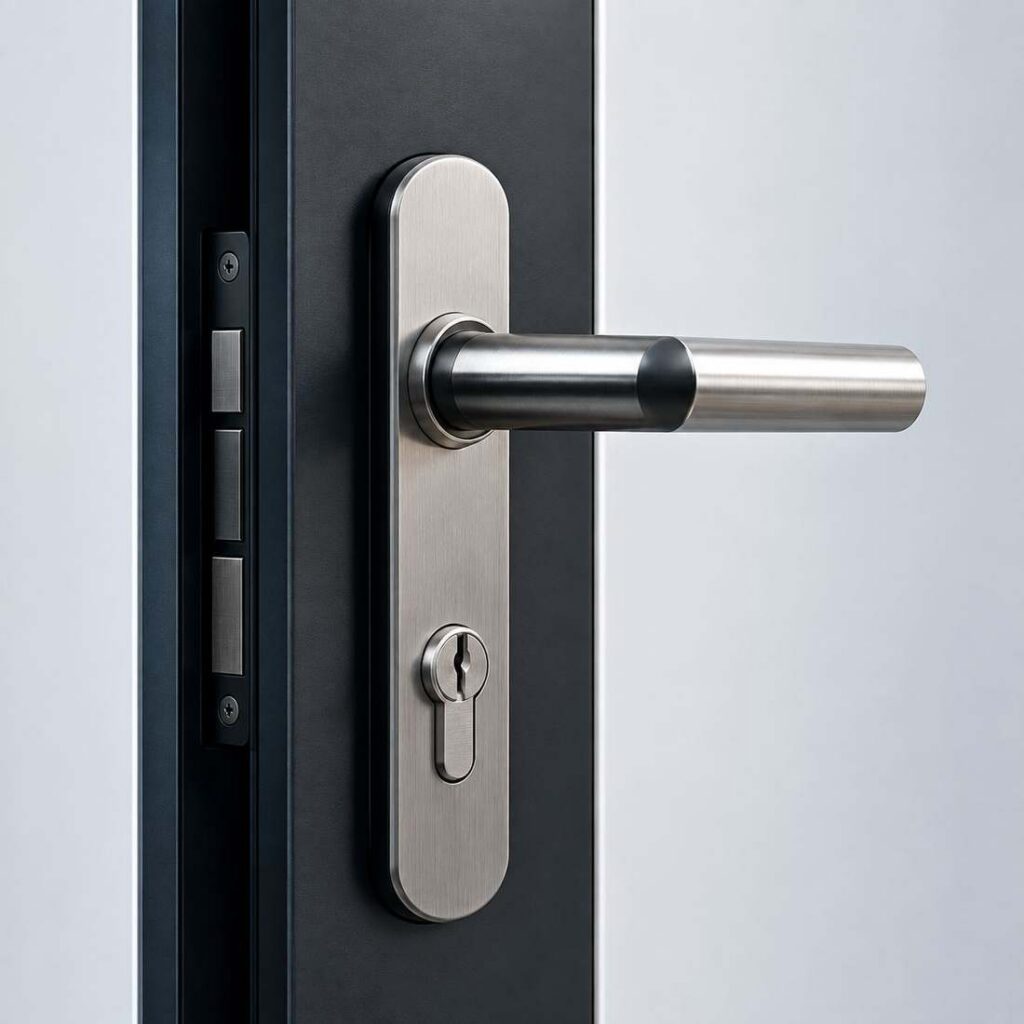
Opening a cellar door in a Berlin apartment building often involves two distinct doors. Access to the basement corridor may be shared, while one individual storage unit belongs to a particular flat. Tell the locksmith exactly where your access ends.
Contents
Identify the storage unit first
New tenants sometimes receive an unlabelled cellar key. Several storage units may display only faded numbers. Before arranging an opening, compare the handover record, cellar plan or allocation document. If the last tenant described “the second door on the right”, establish which staircase they used. A second entrance can reverse an apparently clear description. Recognising a bicycle or box through a gap is no substitute for identifying the unit.
If there is no allocation, ask the manager to confirm the level, corridor and number. Also ask whether the marking still matches the current allocation. Where units changed after renovation, an old plan may look consistent while being out of date. Once the door is unambiguously identified, it makes sense to discuss its lock.
Private storage or a shared entrance?
A personal padlock on your unit serves a different purpose from the cylinder to the bicycle or laundry room. Say whether several residents use the same key and whether management notices are displayed. If the basement corridor itself is locked, someone with building access may need to attend. Without that access, the technician cannot even inspect the unit, however clearly it has been identified.
If a shared door is on the route, ask whether it can simply be opened normally. A neighbour with the right key may be able to accompany you into the corridor. That does not authorise replacing a communal cylinder. Name the specific unit in your instructions and refer decisions about the shared door to whoever manages it.
What will the technician need for the visit?
Useful details include the visible kind of lock, the door’s condition and where to meet. Is it a timber partition with a padlock or a solid metal door? Is the key lost, broken or present but unable to move the door? Report your observations. There is no need to remove parts or guess a technical name. A photo of just your own door may help if the firm asks for one.
Agree to meet above basement level. If phones do not work downstairs, a buzzer or a set time at the entrance is more useful than “I’ll be waiting at the back.” Check lighting and access to the stairs without propping open shared doors. Mention in advance if the door leads to building equipment. Management should identify the responsible person and appropriate specialist for such a space.
Agree on access and how the unit will be secured afterwards
Before the appointment, ask whether the quote covers opening only or a way to secure the unit afterwards. You may be able to bring a suitable, permitted padlock. With a built-in cylinder, inspection may be needed to identify the replacement. Afterwards record the unit, its lock and who received the keys. That will be more useful at the next handover than a generic invoice for a “cellar opening”.
After swapping storage units, check the old number
Two neighbours agreed to swap storage units because one was closer to the lift. Years later a new tenant receives the original number on a paper record. A locksmith cannot identify this discrepancy by looking at the lock. Three things help: the number in the last handover, the marking on the current door and confirmation from whoever manages allocations. Record the direction of entry to the corridor where relevant. Only after resolving this should a particular unit be named in the job. Correct the records at the next formal handover to prevent the same issue recurring.
Decision guide
| Situation | Next step |
|---|---|
| Private unit clearly allocated | Request work on that lock alone. |
| Shared corridor inaccessible | Ask management about normal access and responsibility. |
| Number differs from the plan | Confirm the current allocation before booking. |


