
Security crossbar catches at the keeper? A Berlin repair example
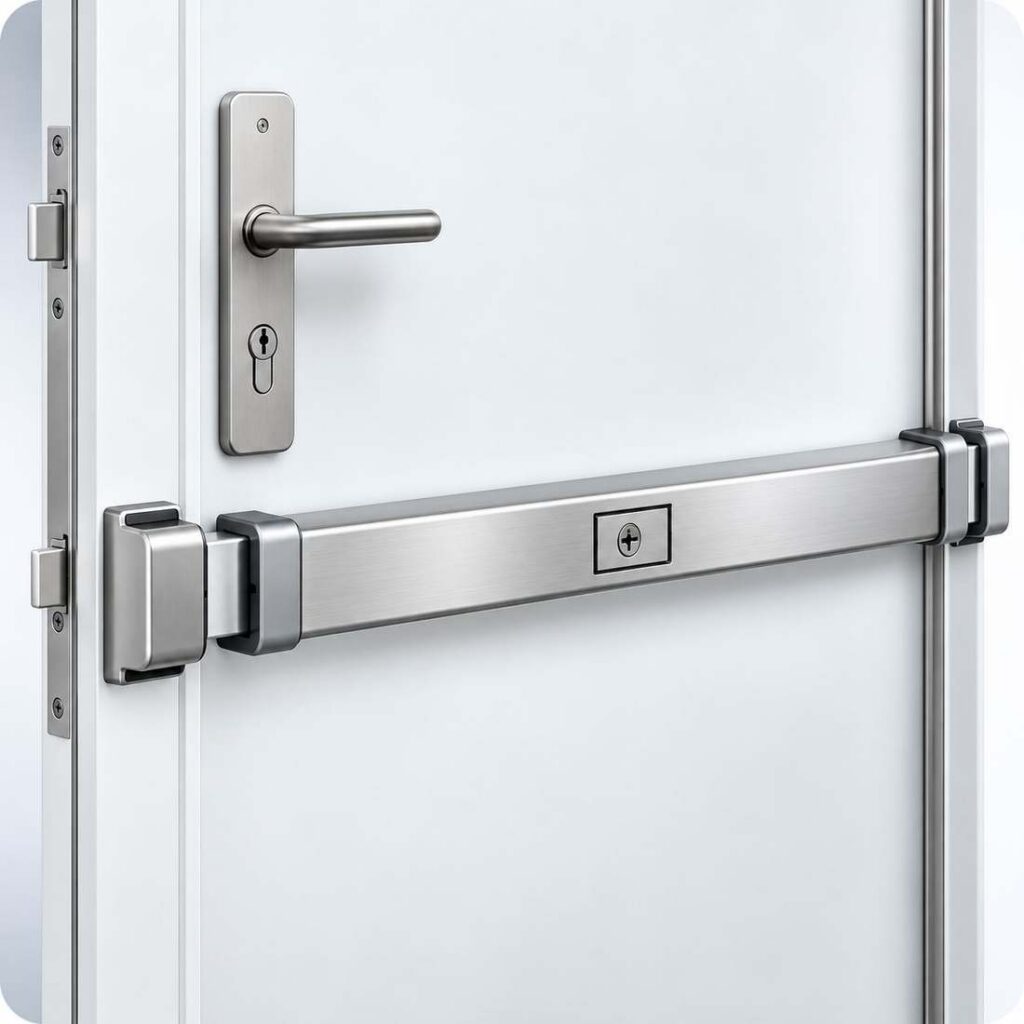
Your security crossbar catches at the keeper? An A&J repair reel provides a starting point for describing the fault and agreeing what to check afterwards.
Contents
The crossbar catches: a repair example from Berlin
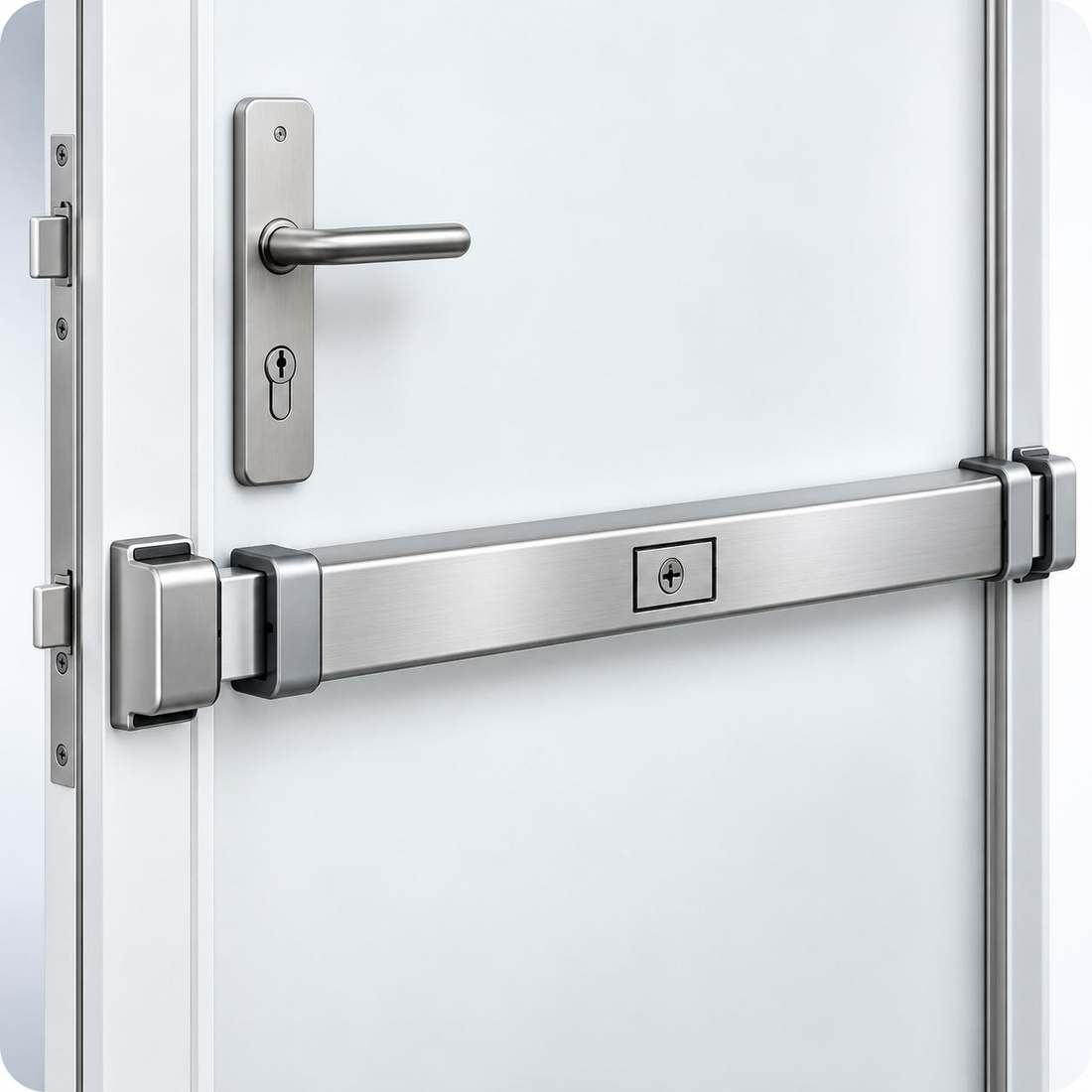
A security crossbar is already installed, but its keeper no longer fits as intended. In the accompanying reel, A&J describes correcting an existing bar and adjusting the keeper plate. That raises a practical question for other flat entrances. What can you observe and report before anyone orders a replacement bar?
The short post gives neither the door's history nor the exact model. It cannot establish the right repair for every flat. It does illustrate why an assessment should include the fittings receiving the bar. Stiff closing on its own tells you little about which individual component, if any, needs replacing.
In this reel A&J describes correcting an existing crossbar and adjusting its keeper. · Watch the video on Instagram
At what point does the crossbar catch?
Describe the point you recognise from normal use. Does the flat door otherwise close as usual? Does the sound start only when you operate the additional lock? Does it seem to come from the left or right when viewed from inside? Those details help more than assuming the cylinder is defective. If movement is blocked, avoid further attempts using force.
Compare with the previous week. Did the problem develop gradually or become noticeable immediately after work on the flat entrance? If the door leaf was altered, pass on the timing as an observation. Report what you know without treating it as proof of an installation error or material failure.
The crossbar catches: does the main lock still work?
In some homes the main lock still works while the crossbar sticks. Elsewhere the bar may remain in a position that prevents normal use of the door altogether. Tell the provider whether people can enter and leave and whether the flat can be secured when empty. That makes a substantial difference to scheduling.
Agree inspection, adjustment and replacement separately
Ask for an initial assessment of the door, bar and receiving fittings working together. Find out what the first price covers. If adjustment is sufficient, the invoice should identify the work actually done. If replacement is proposed, have the provider identify the component and explain its function before you authorise it.
Checking that the crossbar no longer catches
At handover, ask for the normal operating sequence to be demonstrated, then operate the door yourself. Pay particular attention to the point where the rubbing used to occur. Note whether both the main lock and the secondary bar were checked and what to report if the symptom returns. The result should be understandable to the person using the entrance every day.
When the security crossbar catches intermittently
If the fault happens to disappear during the visit, bring a brief record of two or three ordinary uses. Note whether the main door was already latched, which side you operated the lock from and whether the crossbar reached its usual end position. A reliable description of one occurrence is more useful than repeatedly attempting to operate a blocked door.
You can describe urgency concretely: “The main lock secures the flat today, but I cannot operate the additional bar reliably.” If the bar instead prevents someone from entering or leaving, say that first. Two problems that sound similar mechanically may call for quite different responses in practice.
Decision guide
| Situation | Next step |
|---|---|
| Main lock works and bar rubs | Describe the additional lock and current access separately. |
| Started after door work | Have the date and nature of that work ready. |
| Adjustment proposed | Agree scope, price and a functional check together. |
Further guidance: ABUS – product information for the PR2700 crossbar (German)


