
Keys down a lift shaft: Arranging retrieval and access to your flat
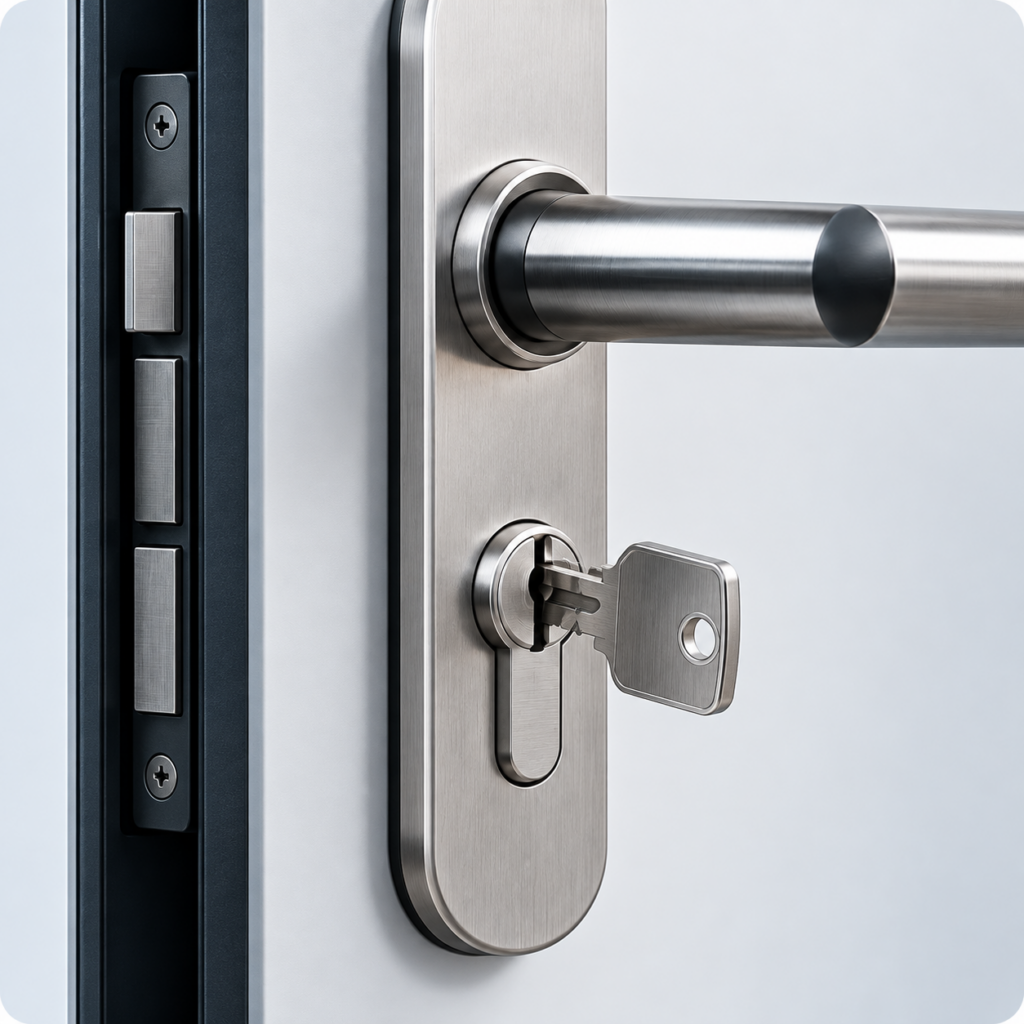
If your keys fall down a lift shaft, contact the building manager or lift operator. Only authorised specialists should retrieve them. Separately arrange a spare key or an authorised opening if you need access to your flat.
Contents
Stay clear of the shaft and report the loss
A key ring slips from a pocket as you step into the lift and falls through the gap. Do not reach for it with a hand, magnet or other object. Do not open a shaft door or obstruct the car. A lost item does not justify interfering with lift equipment. Keep people away from danger and report the incident through the building’s regular contact. If a person is actually at risk, an appropriate emergency call takes priority.
Identify the building, entrance, lift and floor where the keys fell. In a building with several lifts, the identifier visible from a safe public area is helpful. Say if you cannot see where the keys landed. Describe what happened; the precise position in the shaft is for authorised specialists to assess. Do not prepare tools or try to move the lift to a particular position.
The operator coordinates retrieval
Ask which firm maintains the lift and whether management will pass on the request. Before arranging a separate visit, ask whether retrieval can wait for regular maintenance or a dedicated callout is available. Timing, work and possible charges depend on the operator and circumstances. Establish who can authorise a chargeable extra job. A private flat-door locksmith is not automatically authorised to work on lifts.
Also agree how you will identify the item and get it back. The number of keys, a distinctive fob and approximate time are more useful than publicly circulating a complete key number. If you will leave the building before retrieval, nominate an authorised, reachable recipient. TÜV SÜD’s guidance covers general lift safety and operator responsibility.
How will you get into your flat today?
Assess access step by step. You might already be in your building but outside a locked flat. Alternatively, the keys might have fallen in a shopping centre and you could collect a spare on the way home. Waiting for a later lift appointment does not solve tonight’s access problem. Conversely, booking entry to the flat does not oblige you to order an immediate lift callout too.
A Berlin enquiry might be: “I locked the flat when I left. My key is inaccessible because it fell into a lift shaft. I only need help at my own flat door.” The job location is the flat. Discuss verification, total price and any parts for that job alone. The lift may be at a different address and belongs on the separate retrieval request.
Reconcile the keys after recovery
Record which keys were unavailable pending retrieval and whether any cylinder was changed. A recovered set might still operate the building and cellar doors but no longer the flat. Keep it distinguishable from new keys and update whoever holds your spare. If the ring includes an electronic fob, tell the system administrator about loss or recovery too.
When the set is returned, compare it with the original description. Is everything there? Has a relative since brought a spare, or is a locksmith still booked? Give each provider the update relevant to its job. The lift operator does not need the specification of your flat cylinder, and the locksmith needs no technical details of the lift. Two clearly defined requests avoid the confusion of a vague order about a missing key.
When retrieval and the flat appointment clash
If retrieval can happen sooner than expected, check whether the keys have been identified and are ready for handover before cancelling the flat appointment. A lift engineer travelling to the building does not mean the right set is already in your hands. Where necessary arrange authorised collection by someone else and keep the two meeting points distinct. This is particularly useful when the lift and flat are in different Berlin districts.
Decision guide
| Situation | Next step |
|---|---|
| Keys fall into shaft | Do not retrieve them yourself; identify the operator and location. |
| No home access today | Arrange a spare or authorised opening independently. |
| Set recovered after cylinder change | Sort old and new keys by what they actually open. |


