
Keys mixed up: Identifying similar sets without testing other doors
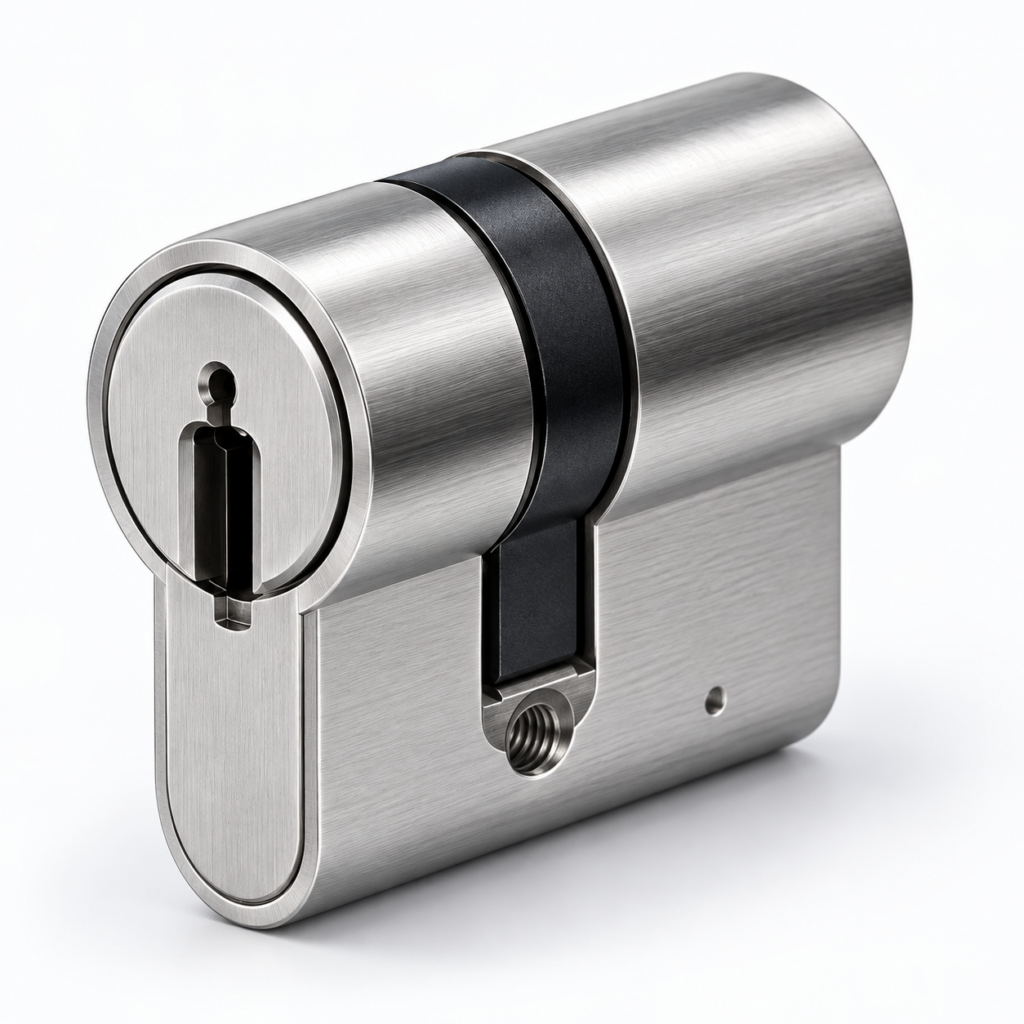
If keys have been mixed up, first identify their owners. An unfamiliar set on your hook is a reason to call the other person, not to try it in different flats. At the same time, arrange authorised access to your own home.
Contents
A mix-up or a loss?
After a visit you remember two black fobs, yet only one set is left on the hook. Go back to the moment the sets were together on the table. Who last definitely used their own key? Who collected a coat from the same rack? Contact people individually and ask them to describe their set first. That often distinguishes a mix-up more effectively than circulating photographs of all the keys.
Allow for more than two sets. During a move, someone might also have put a cellar key in the same bowl. A person can have all their flat keys back and still be carrying someone else’s cellar key. Compare the number of keys, fobs and familiar features. Use a description such as “three keys on a red fabric loop” rather than posting addresses and door numbers.
Arranging an unambiguous handover
Agree where to meet and specify which set to bring. Distinguish the person identifying their property from someone who is only delivering it. If keys are being returned through a third party, confirm the person’s name and the handover with the authorised recipient beforehand. An unfamiliar caller asking you to leave a set by the front entrance introduces another uncertainty.
At handover, check that everything expected is there. A fob, mailbox key or small tag is easy to overlook. You can check your own key in safe circumstances with an authorised person. If something still does not match, keep the unidentified set separate. Do not try it in neighbouring doors just because the shared corridor is accessible.
When you may still need a locksmith
Even a confirmed mix-up may leave you locked out. If the other person is already on a train to Hamburg, your own key may not reach you until tomorrow. Look for another accessible spare for your door. If a locksmith is necessary, specify whether the flat fell shut or was locked and which door should be opened. Holding someone else’s key does nothing to verify your right to enter your own home.
Consider who had possession of your key in the meantime. A traceable exchange between people who know each other differs from a set passing through several unknown hands. If the address was identifiable or a shared-system key is missing, ask the manager or specialist to assess the circumstances. Replacing a single flat cylinder cannot settle every access question if a key also operates other doors.
A better way to organise the key rack
Consider a handover record listing two similar sets of four keys. One includes courtyard access and the other opens a separate storage unit. Record those distinctions internally and mark the sets with different neutral colours. Keep the colour mapping in the private handover record. The tag itself need not show a home address or the full names of the users.
Choose one collection point for the next handover. If helpers collect keys several times during a move, have one person record each issue. At the end, match each set to its function instead of merely counting the sets on the table. A few minutes spent doing this can prevent two people discovering later that neither can open the right flat.
A mix-up just before departure
A visitor notices the wrong set just before their train leaves. The resident waiting outside proposes meeting at the station. Departure time is only one constraint: who can reach the station in time, how will they meet without publicising the home address, and is a different spare available? If the exchange will not work in time, agree on another secure handover. Leaving keys hurriedly in a public place mostly creates another identification problem.
Decision guide
| Situation | Next step |
|---|---|
| Both sets identified | Arrange a handover and check for missing items. |
| Return only possible tomorrow | Arrange home access separately from transport. |
| Shared-access key missing | Notify the responsible manager privately. |
Further reading
- Opening locked doors
- Neue Wohnung in Berlin: Schlüsselübergabe und Schließzylinder prüfen (German)
- Verlorenen Schlüssel wiedergefunden: Was vor der weiteren Nutzung zu klären ist (German)
- Consumer advice on locksmith bookings (German)
If two flats are involved, see how to identify keys lost during a move.


