
Door sticks only when shut? What to tell a Berlin locksmith
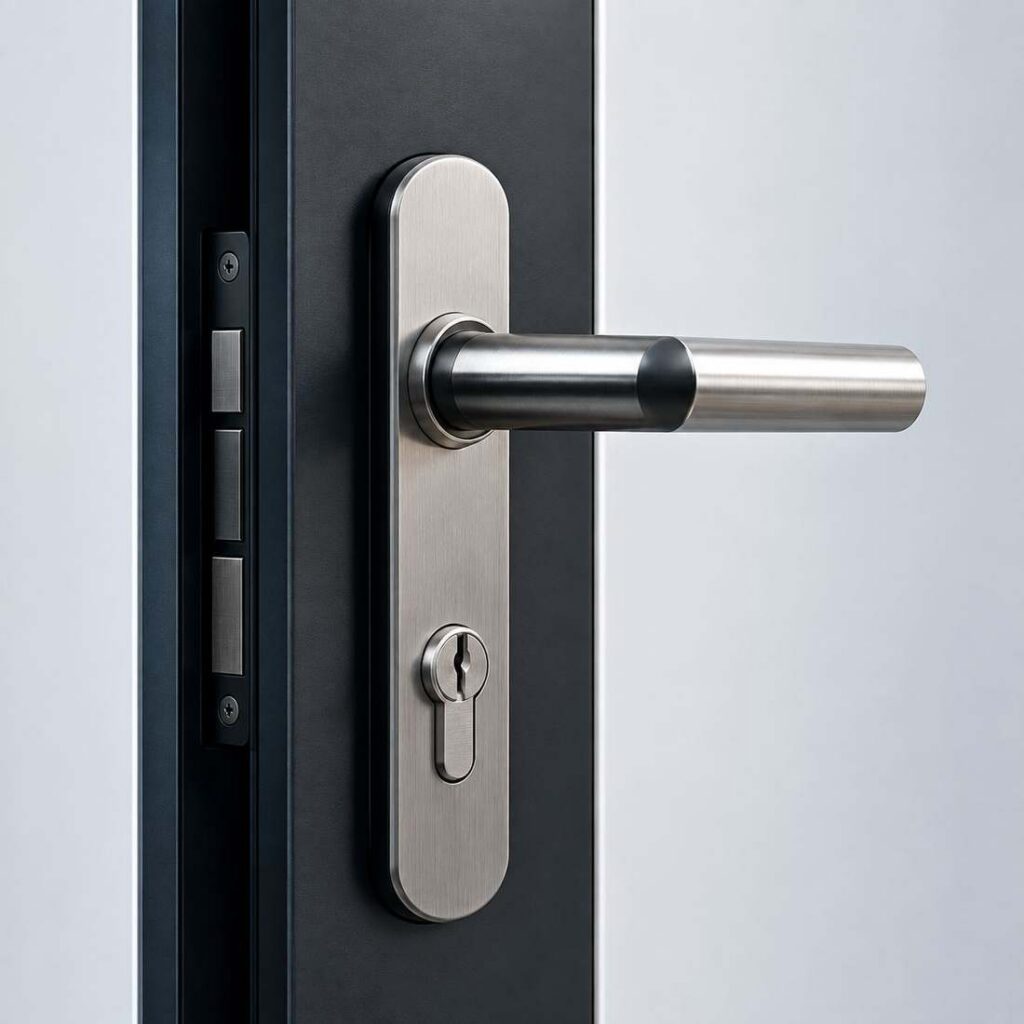
A door sticks in its frame although the key turned easily while it was open? That difference is useful to a Berlin locksmith. Describe both conditions before ordering a cylinder. The cause may involve the relationship between the door leaf, locking components and frame.
Contents
Which observation can you reliably report?
Recall the last normal closing action. Did the door close without lifting or pulling? Have you recently had to use the handle differently? Did the key start turning freely but become stiff only near the end? A professional can distinguish these observations. Saying “the cylinder is broken” assumes a particular replacement before anyone has checked how the door fits.
If the door is open and access is secure, keep it in a safe state for the visit where possible. Do not recreate the fault by locking it again if that could block the only exit or lock you out. This matters particularly for self-locking doors. A remembered observation is more useful than another emergency caused by trying to record a video.
Why the difference between open and shut matters
With the door shut, moving locking components must line up with their corresponding openings in the frame. A key can therefore operate normally with the door open while the locking mechanism meets resistance when closed. That proves neither a warped frame nor a specific lock fault. It does explain why inspecting the installed door may reveal more than ordering a similar-looking cylinder from a product photograph.
Note whether the behaviour appeared gradually or after a particular change. Was a seal replaced, was there work on the door leaf or did resistance first occur after a heavy slam? Describe the timing without assuming causation. Where there are multiple locking points, it is seldom possible to identify the affected one from the hallway. Filing, bending or adjusting parts yourself can complicate a later assessment.
Choose between opening, securing and inspection
If you are outside and cannot regain access, start by enquiring about opening. If you are inside but cannot secure the flat reliably when leaving, describe that security problem. If the door still works and resistance has just begun, ask about a planned inspection. Whether a locksmith, joiner or system specialist is appropriate depends on the construction and the findings.
One useful description is: “Yesterday the key turned easily with the door open. Once the door was in the frame, it stopped just before the end of the turn. The flat is accessible today.” Add any extra locks and say who can approve changes to fittings. Ask what inspection costs and which work requires further approval. The diagnostic visit then has a clear scope of its own.
Check normal use at handover
Ask what the technician found and which component was worked on. The final check should replicate normal use: does the installed door open and close with the intended controls? Let the technician direct the safe sequence. If concerns remain, note the next contact and the agreed interim condition. In rented accommodation, a precise record of findings helps management arrange the next visit more effectively than a generic entry saying “lock changed”.
What a useful fault log looks like
Write three lines instead of listing potential replacement parts. Record the last normal operation, the first sign of trouble and the present condition. For example: “Tuesday the flat door locked normally. On Wednesday there was resistance only with the door shut. On Thursday I stayed inside and could still open it normally.” Those details help assess a developing fault. Mention whether just one key was affected or several regularly used keys had behaved similarly in normal use. There is no need for a deliberate extra test if it could jeopardise access.
Decision guide
| Situation | Next step |
|---|---|
| Door open, resistance only when closing | Preserve a safe state and explain the difference at inspection. |
| Flat cannot be secured | Describe security needs separately from current access. |
| Access already lost | Ask about opening and subsequent assessment separately. |


