
A door closer slams shut: What to record for an inspection
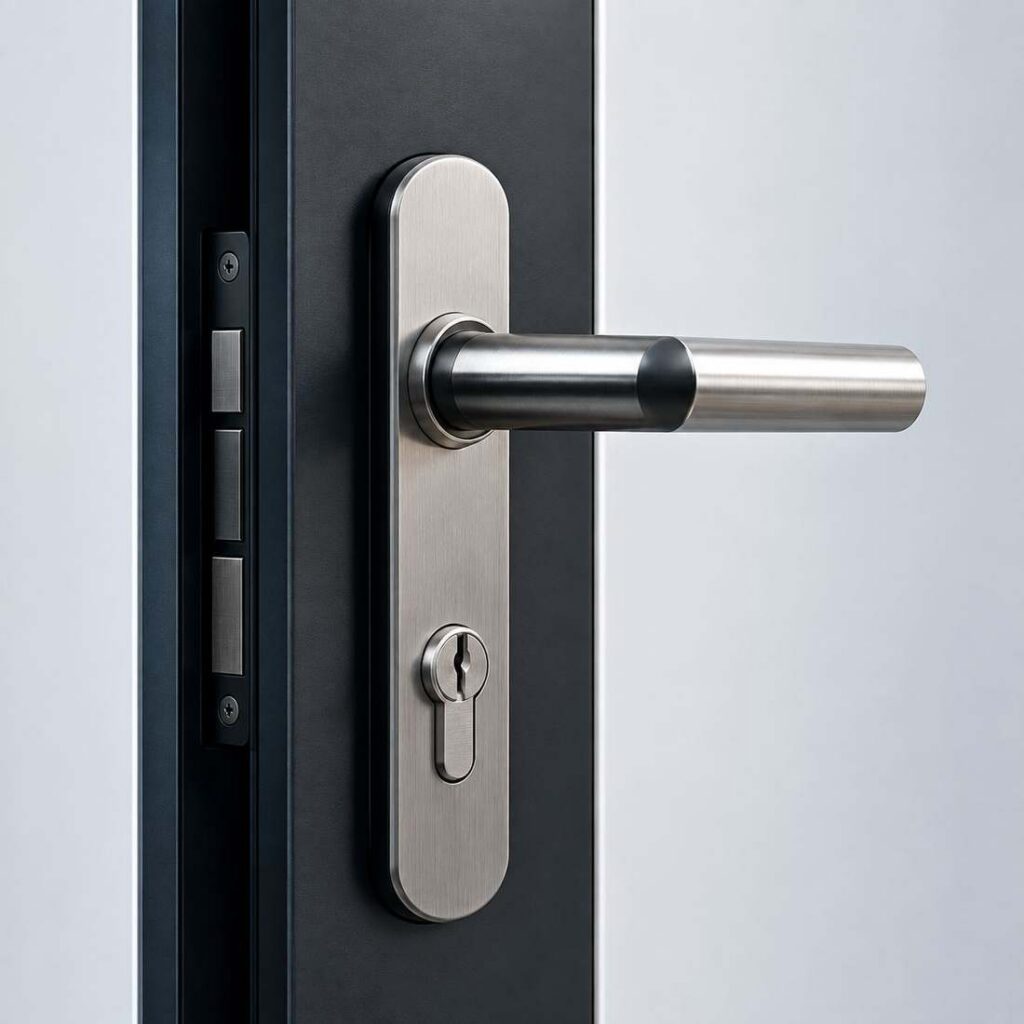
A closer may slam a door, close it too slowly or leave it ajar. The useful distinction is where in the closing movement the problem occurs. Report what you observe during normal use and leave adjustment and work on the closer to the responsible specialist.
Contents
Where in the closing movement does the door slam?
Think of the movement in stages: the user lets go, the leaf moves towards its frame, the last few centimetres close and the latch engages. A door may move rapidly all the way or slam only at the end. Equally, it may start normally and never reach the closed position. These patterns raise different questions for inspection. A description of what happens is more useful than a request for a particular replacement device.
Observe only normal, safe use. Keep fingers and objects out of the gap and do not push harder to reproduce a slam. If the door is marked as an escape, fire or smoke-control door, mention that marking when contacting building management. Do not wedge such a door open. Trouble with its closing function belongs in the building’s agreed maintenance and reporting process.
What changed since the door last worked normally?
Did the behaviour begin after frame work, a new seal or a change in the entrance area? Does it happen only when the other lobby door is open? Report the association without treating it as a proven cause. There may also be a noise or visible damage. Do not touch loose parts; note when you first saw them. In a building with multiple entrances, identify the particular door in the report.
GEZE’s door closer guidance distinguishes closing speed from the final latching action. These terms help communication but neither identify your unit nor replace professional adjustment. Behaviour appropriate for a heavy entrance may be unsuitable for another construction. A generic online adjustment guide may therefore be inappropriate for the door and any protective function it has.
Locked out, or reporting a shared-door fault?
If you are locked out, identify the door you cannot get through first. A closer at the communal entrance and a flat door that fell shut on the third floor are two separate jobs. Opening the flat will not fix the communal entrance. Conversely, the contractor maintaining that entrance does not automatically take on a private flat opening. Establish responsibility before different people book different visits.
If a shared entrance no longer closes reliably, management needs an accurate description. For example: “Side-wing entrance. The leaf moves almost to the frame and stops there. It was last used normally this morning.” That account can be checked. Saying “the lock is broken” presumes a cause and could send someone to work on the wrong component.
What to check when the work is handed over
Ask the responsible person to assess the result under normal operating conditions. Does the door reach its intended final position and then open using its normal controls? If the fault appeared only when the second lobby door was open, repeat that information at handover. Record outstanding symptoms, required parts and the next responsible contact. A quieter closing sound alone does not establish that the closing function is restored.
When the closer behaves differently in a draught
In an entrance lobby the slam may occur only when inner and outer doors are opened in succession. Tell management which door is affected and whether anyone has observed it in still weather. The caretaker can pass that on without asking residents to reproduce it. If the door subsequently stops closing reliably, report that change explicitly. An earlier noise report says nothing about its security today.
Decision guide
| Situation | Next step |
|---|---|
| Noise only at the very end | Describe the final movement and whether the latch engages. |
| Door stops before latching | Tell the manager the entrance is not securing itself. |
| Your own flat door also fell shut | Separate the private opening from building maintenance. |
Further reading
- Opening a door that has fallen shut
- Selbstverriegelnde Tür: Warum „nur zugezogen“ nicht immer eindeutig ist (German)
- Türöffnung an Brand- und Rauchschutztüren: Welche Angaben vor dem Auftrag wichtig sind (German)
- GEZE: door closer guidance (German)
If the door rebounds from the frame, see what to report when the door will not latch.


