
Key stuck in the lock after turning it?
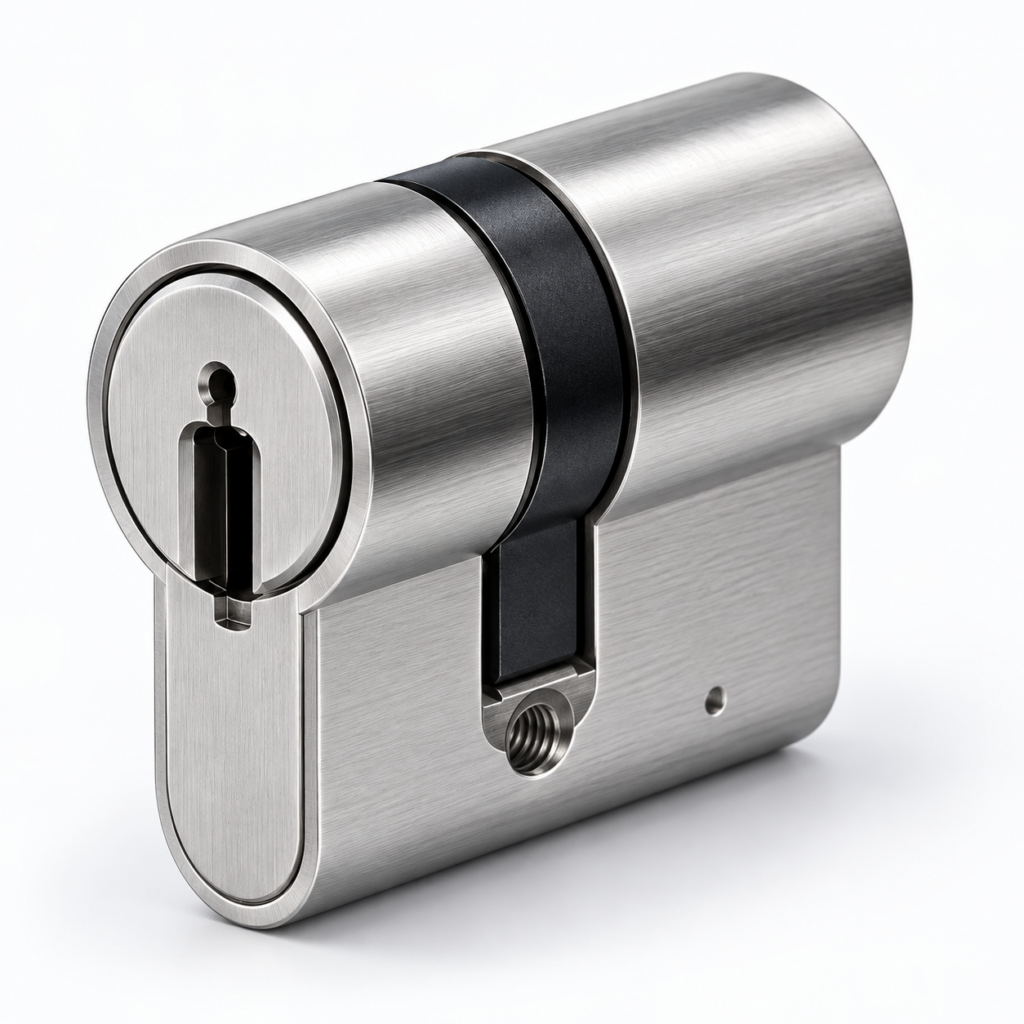
Key stuck in the lock after turning? Tell the locksmith which side the key is on, whether the door is open and how long someone can stay.
Contents
What happened just before the key stayed in place?
Your shopping is in the hallway. The door is open, but the key remains in the cylinder. At another flat, the same thing seems to happen, except the resident is outside a closed door. Both people might report a stuck key. The jobs are different. The first person already has access. For the second, the business first needs to establish whether an opening is needed.
Recall the last normal movement. Had you just unlocked or locked the door, or had you only inserted the key? Did the door actually open afterwards? At what point did you notice resistance? You do not need to repeat the movement to give a better account. Even “I opened the door and first noticed the problem when I tried to remove the key” narrows the job down.
Key stuck in the lock on the outside?
If the key is on the outside, say whether the door faces the street or a shared landing. Can you stay there? Can another authorised person remain by the door while you contact the provider? These details help the business judge the urgency. When arranging a visit, assume that a key left on the outside can be seen.
When the door is open, preserve the access you already have. If someone can safely stay with it, there is no need to close it for a photo or a test. A communal entrance in a block of flats is a separate matter. Inform the building manager before anyone commissions a permanent change to the shared locking system.
What should you tell the locksmith?
Say whether the key looks complete and unchanged. A visibly crooked head, previous damage or a problem that has repeatedly occurred with the same key is worth mentioning. None of these establishes the cause remotely. Avoid inserting a second key on the other side to force a diagnosis. Different cylinders behave differently.
Leave pliers, oil and household products out of the attempt. A broken fragment changes the job and makes the original fault harder to describe. Later maintenance should follow the instructions for the actual cylinder. If the provider needs a photo, ask what part they want to see. The first description does not require a picture of all the key cuts or a nameplate.
What counts as completing the job?
Agree the objective before the visit. Is the first task to assess the trapped key and preserve it if possible? Must the entrance be lockable immediately afterwards? Do other people need access? These are outcomes you can check. Asking for a complete replacement at the outset assumes a particular repair before the cause is known.
After the work, ask to see how the agreed result was checked. Ask explicitly whether you can keep using that key or should set it aside. If another visit is needed, note which entrance you can use in the meantime and who will arrange the follow-up. Other members of the household can then follow the same plan.
Key stuck in the lock? A short example for the booking
“I am inside the flat and the door is open. The key is on the landing side. I unlocked the door but cannot take it out. Someone can stay by the door until the agreed time.” That tells the business it can plan an inspection with access already available. Adapt the locations carefully. “Inside” can otherwise mean inside the building or inside the flat.
Key stuck in the lock – three situations
| Situation | Next step |
|---|---|
| Inside key, door open | Preserve access and arrange an assessment. |
| Outside key, door closed | Give the location, access situation and whether someone can stay. |
| Shared building entrance | Tell the responsible building contact about the trapped key. |
Further reading
- Lock cylinder replacement
- Schlüssel klemmt oder ist abgebrochen: So bereiten Sie fachliche Hilfe vor (German)
- Reporting a fault that returns after a locksmith visit
- ABUS guidance on cylinder care (German)
If only one side is affected, see why a key may work on one side only.


