
Key will not go into the lock? How to describe the problem
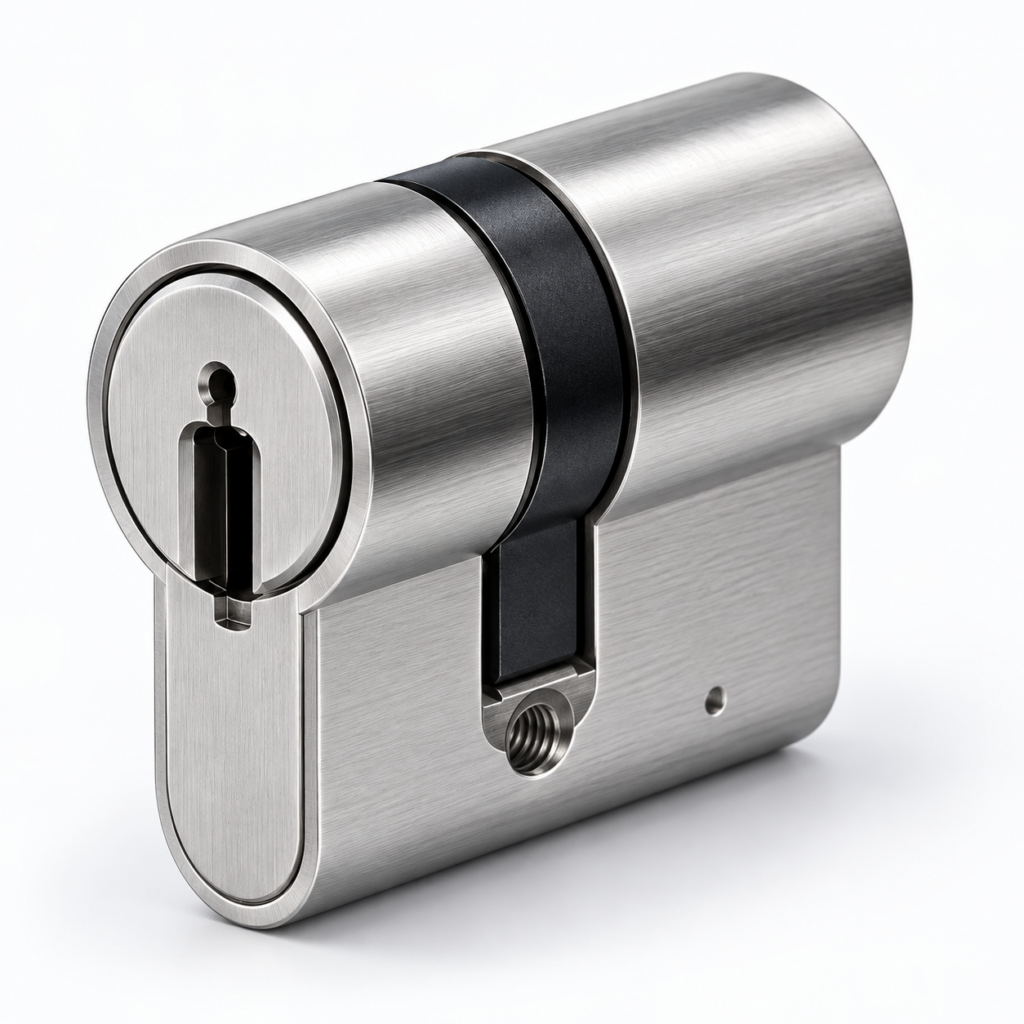
Your key will not go into the lock although you are at the right door? Tell the locksmith whether it stops at the very entrance, goes a little way in or goes all the way in but will not turn.
Contents
When the key stops before you can turn it
After a long day it is easy to pick up a similar key from the same ring. Check familiar identifying features and remember when this particular copy last worked. Has the lock changed, were keys returned or has a different door been assigned since then? After a move, an old key can carry the right coloured tag while belonging to a different lock.
Next describe where movement stops. “The tip goes in but the key does not reach its usual depth” is more precise than “the lock spins”. In the latter scenario the key is already inside and another function is involved. A precise observation helps the firm prepare without asking you to identify the cylinder type or force the key farther.
What to notice about your own key
Look at the key while it is out of the lock. Is it visibly bent, damaged at the tip or carrying debris from a pocket? Was it dropped or subjected to a heavy load? Report what you see. Filing, straightening or inserting tools into the cylinder can turn an uncertain problem into a larger one. Follow product-specific care guidance. Household products are not a diagnostic test.
If an authorised person holds a known good spare, establish when it was last used normally. Say if it worked in that door the same morning. There is no need to press every copy against obvious resistance. If the spare is nearby, discuss with the firm what would be safe and useful to observe. If the flat is open already, avoid locking yourself out simply to reproduce the fault.
Immediate entry or an inspection while you have access?
One resident is outside with no other entrance. Another notices the fault with the door open and somebody else still at home. The key symptom is identical but their needs differ. In the first case, discuss authorised entry and possible follow-up assessment. In the second, inspection of an accessible door may be arranged. The decision depends on whether the flat can be used and secured normally until that visit.
Mention changes to the fitting or visible damage to the entrance. Do not disturb marks merely to obtain a better photograph. Unusual resistance alone proves neither interference nor a particular mechanical fault. Separate observation from suspicion so the firm can identify what it can inspect at the installed door and what needs clarification beforehand.
Record the result of the inspection
Ask for a clear outcome for both the affected copy and the door. Is one damaged key to be withdrawn? Does the cylinder need further inspection? Was access restored while the cause remains unresolved? Record the answers separately. “The key works again” is little help later unless you know which copy was tested in which door and which key was withdrawn.
When it happens at only one of several doors
One key normally operates the building gate and your flat. Today it works at the gate but will not fully enter the flat cylinder. Success at the gate does not prove the other cylinder is defective, but it gives a concrete comparison. Record what happened at each entrance and whether both are meant to be on the same system. This directs the report to the correct door.
If management holds another copy, agree beforehand who may bring it. The technician can then make a comparison under suitable conditions. Leave any visible obstruction as it is rather than risking a complete blockage while trying to remove it yourself.
Decision guide
| Situation | Next step |
|---|---|
| Tip will not enter | Identify the key and report its visible condition. |
| Fully inserted but will not turn | Describe a turning fault to the provider. |
| Flat open but operation impaired | Arrange inspection while the door is accessible. |
Further reading
- Lock cylinder replacement
- Schlüssel klemmt oder ist abgebrochen: So bereiten Sie fachliche Hilfe vor (German)
- Schlüssel verbogen: Wann Sie ihn aus dem Verkehr ziehen sollten (German)
- ABUS: cylinder replacement and care (German)
If the key is already in the cylinder and will not come out after turning, read what to report about a trapped key.
If the fault appeared immediately after painting, see a lock problem after decorating for coordinating with the companies involved.


