
Door will not latch in Berlin? How to report an unsecured door
Your door will not latch and springs back from the frame? Describe what you see, identify who manages the Berlin entrance and arrange to have it secured.
Contents
The door will not latch and springs back from the frame
The door will not latch although it swings all the way to the frame as usual. You may hear a click, yet a light draught makes it swing open again. Tell the locksmith one thing in particular. After ordinary closing, does the door actually stay shut without anyone holding it? If you are unsure, treat the entrance as unsecured until it has been checked.
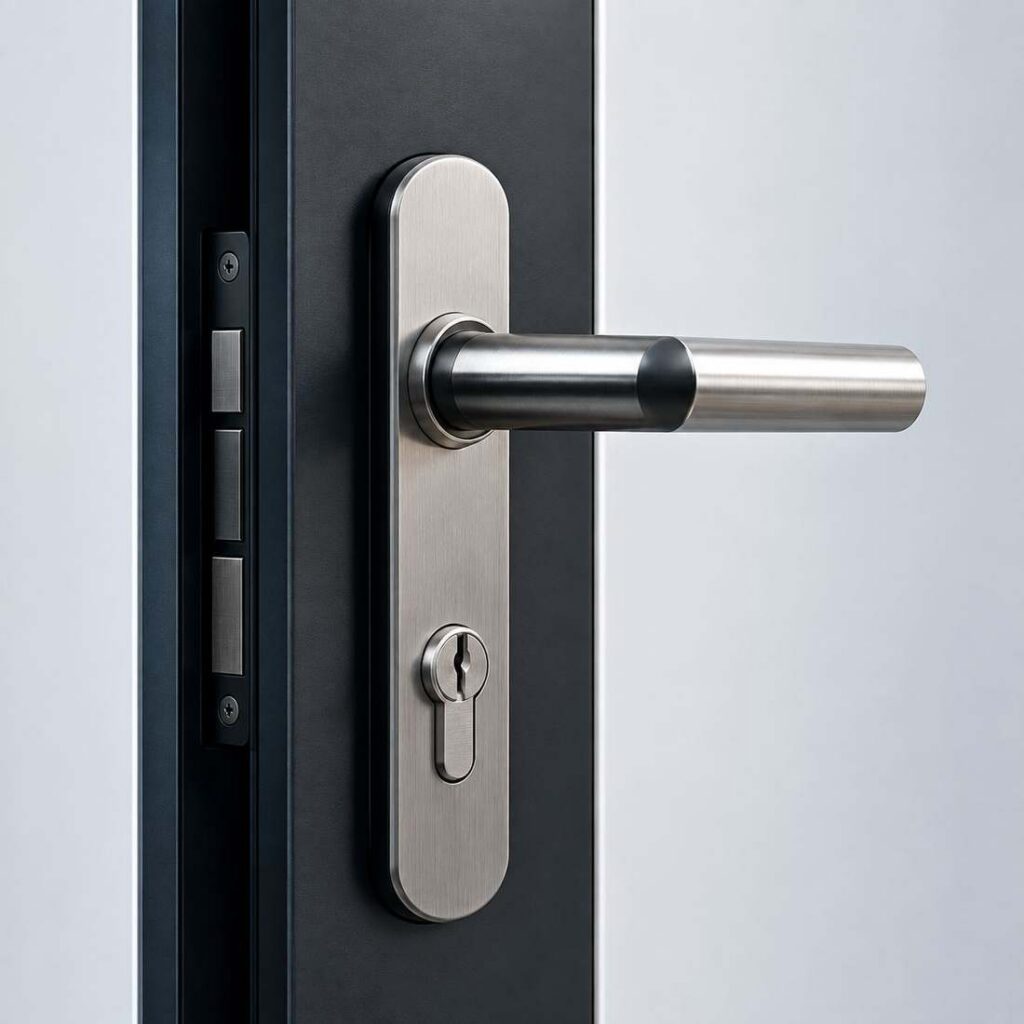
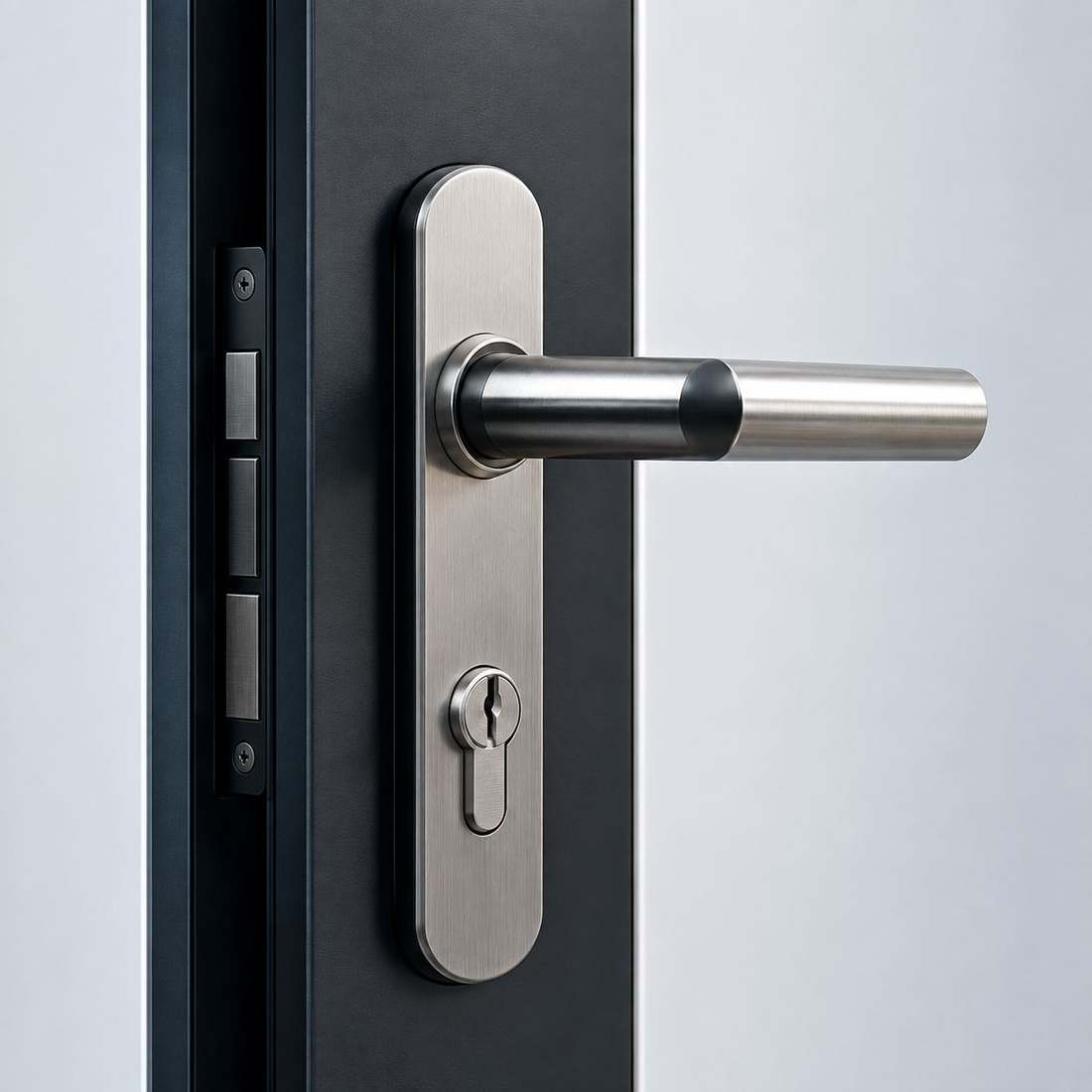
You do not need to know the cause to report it. The latch is the part of the lock designed to engage its keeper on the frame during ordinary closing. The bolt operated by the key has a different job. That is why “it won't stay shut” and “I can't lock it with the key” describe different observations.
What you notice during ordinary use
Describe the final part of the swing. Is there a gap before the door reaches the frame? Does it reach the frame and rebound? Or does it seem to stay put until the next draught? Note when you first noticed it. You can explain these differences on the phone without loosening any hardware.
For example, since the hallway was painted the door makes a closing noise but only sometimes stays shut. Mention when the work was done as a timing clue. Whether paint, a fitting, the position of the door leaf or something else matters can only be assessed on site. Ordering a part on a guess could delay a proper inspection.
When the shared entrance door will not latch
For a shared front entrance, tell management which door is affected and whether residents can still enter and leave. Mention specifically if the door can swing open from the street unnoticed. Ask who is responsible until the visit takes place. Neighbours should all be able to rely on the same agreed arrangement for a shared entrance.
Do not wedge or obstruct a shared door. Where a door is marked as fire- or smoke-resistant, refer the assessment to the responsible specialist. Mention any such marking in your report. A problem at your private flat entrance and one at a stairwell door may need different contacts.
Do you need opening, securing or inspection?
If you are inside and the door will not reliably stay shut, the first question is how it can be secured until the visit. A standard opening for someone locked out will not solve this problem. Say if you need to leave soon and who can attend the appointment. Ask the provider to describe the work they propose for that situation.
Check the result under normal conditions
After the work, ask to check an ordinary closing cycle together. The door leaf should travel normally and stay in its intended position. Establish separately whether operation with the key was checked. Agree whom to tell if the door springs back only occasionally and what observation the provider would need if it happens again.
Door will not latch after a handover
If your door will not latch during a flat handover, record the movement you observed in the handover notes. Agree who will pass the report to the tradesperson and who will remain available until the inspection. “Keys handed over” records possession of the keys. Whether the door closes and stays shut in ordinary use is a separate observation both parties can record together.
Decision guide
| Situation | Next step |
|---|---|
| Door will not stay at the frame | Describe the time, rebound and current access. |
| Shared entrance opens unnoticed | Inform the responsible building manager directly. |
| Access available but door unsecured | Ask about securing or inspection and confirm the scope. |
Further guidance: BKS – mortise locks and their functions (German)


