Skip to content

Keys lost during a move between two Berlin flats

Keys lost during a move? Match the missing set to the old or new Berlin flat, check the handover record and decide which door needs attention.
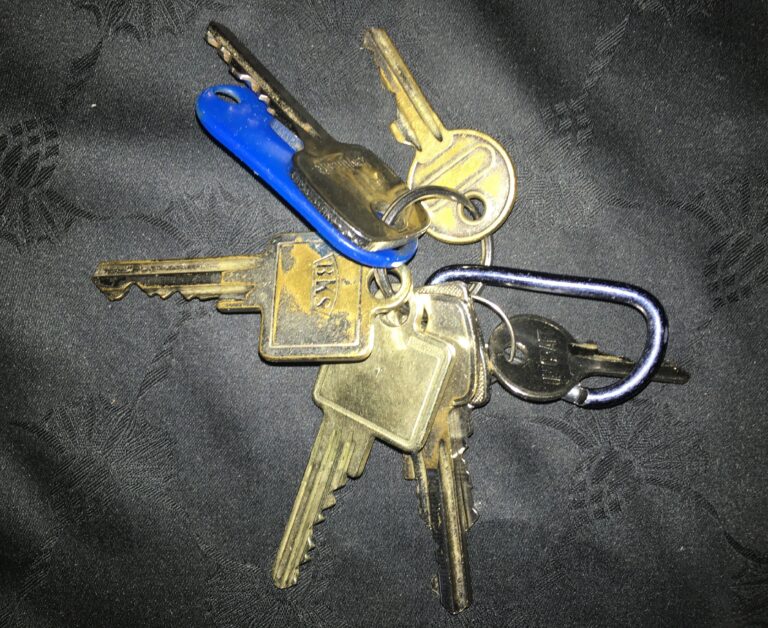
A ring holding several different keys
Pittigrilli · CC BY-SA 4.0 · Resized

Contents
  1. During which stage of the move did the keys disappear?
  2. Keys lost during a move before handing back the old flat
  3. What do you need at the new address tonight?
  4. When keys lost during a move turn up
  5. Coordinating two handovers on one afternoon
  6. Keys lost during a move when a helper is leaving

During which stage of the move did the keys disappear?

Everything seemed present when the van was loaded. After unloading in the evening, one ring is missing. There are two flats, perhaps a cellar, a mailbox and communal entrances. Make two columns with the old address on the left and the new one on the right. For each entrance record who last definitely used which key there.

If keys were lost during a move, box labels and the helpers’ roles may be more useful than remembering the colour of a key head. Who stayed at the old address? Who received the new flat? Who returned the van? Ask about observed handovers. “I put it on the shelf” is different from “I probably still have it.”

Keys lost during a move before handing back the old flat

If the old-flat handover is still ahead, compare the keys present with the original inventory. Mark unresolved items as such. A missing mailbox key is a different issue from a communal key used by several households. Ask the building manager how they want the loss recorded and who decides on a technical change.

A useful record includes the time of the count and the person who accepted the remaining keys. File the reply separately from the paperwork for the new flat. If the old flat has already been handed back, contact the person who took it over. Booking a replacement independently for a door already handed over could commission the wrong job.

What do you need at the new address tonight?

Check whether the new flat can be entered and secured without the missing ring. If an authorised flatmate is there with a working set, you may have time to sort the inventory. If all sets were left in the removal van, first establish when and to whom the driver can return them. Do not authorise replacement at two addresses on a guess.

Give the service address in the first sentence when calling a Berlin locksmith. The billing address, an old ID address or the removal van’s starting point may be different. Explain any discrepancy and ask in advance for suitable proof. The provider can plan authorised access at the correct flat.

When keys lost during a move turn up

A keyring found in the last box belongs on the inventory first. Establish whether any cylinder has since changed and whether a loss report is still open. Tell the person who recorded the handover. At the next transfer, note its destination instead of putting the ring back among unsorted moving supplies.

Coordinating two handovers on one afternoon

At two o’clock a helper takes two keys at the old house. At three a flatmate accepts three for the new entrance. Four are on the table that evening. Being one short does not tell you which handover is affected. Ask the two people separately about their last transfer, then compare what they recall with each inventory.

Set a time to reconcile the inventory again if one entry remains open. Otherwise a helper may keep searching for something already handed in. Once you have narrowed down the missing access, the enquiry to management or a locksmith can be precise.

Keys lost during a move when a helper is leaving

Record the last confirmed sighting before a helper leaves. A sentence naming the flat, activity and approximate time is enough. Ask the helper to check their own pockets and equipment and report a find directly. A short note prevents their later reply from being misread as a fresh loss at the other address.

Decision guide

Situation Next step
Old flat handed back Contact the person who accepted its keys.
New flat accessible Establish ownership before planning a security change.
No entry at destination Confirm the new address, contact and proof together.

Further guidance: Consumer advice on contracting a tradesperson (German)

Related services and guides

Contact A&J Locksmith Berlin · 030 61637725

If the only flat key is missing after the move, plan how to get back in after the initial opening.
Key missing from an envelope? What to check in Berlin

Key missing from an envelope? Keep the packaging, check the delivery details and decide whether the missing key could be connected to your Berlin door.

A ring holding several different keys
Pittigrilli · CC BY-SA 4.0 · Resized

Contents
  1. The envelope arrived without the key
  2. Key missing from an envelope or the whole letter delayed?
  3. Can someone connect the key to a particular door?
  4. If the missing key eventually arrives
  5. When the sender and door are in different cities
  6. When a key is missing from an envelope and the sender is away

The envelope arrived without the key

Before discarding anything, set the envelope and its contents aside. Note when you took it from the mailbox and what you saw when opening it. Was it already open, torn or apparently intact? A hole alone does not establish when or where a key disappeared. Your observations will help the sender more than a guess.

If a key may be missing from an envelope, establish precisely what was sent. A covering note may have travelled separately from the planned handover. Ask the sender to recall packing it and check the posting date, type of service and any tracking reference. Keep a complete address label out of public photos.

Key missing from an envelope or the whole letter delayed?

An empty envelope and a letter that has not arrived are different problems. When the recipient says “not here yet”, check whether delivery is shown at all. Take the postal enquiry to the carrier that handled the item. Its guidance depends on the service used. The fact that the item contained a key does not by itself determine a deadline or compensation.

Agree who will make the enquiry and who will retain the evidence. If the recipient has the envelope and the sender has the receipt, they will need to exchange relevant details. Keep the carrier’s case number with the posting information. The locksmith needs a separate short description of the affected entrance.

Can someone connect the key to a particular door?

The recipient’s address need not be the address where the key works. A daughter might receive a key to her parents’ home at her own address. A landlord might instead send a tenant a key to the very flat it opens. Check whether a note, flat number or labelled fob could connect the key to a specific door.

For a communal entrance, tell the responsible building contact which doors are involved. If you still have access, you can arrange an assessment of the cylinder. If you have no spare and are outside, organise authorised entry first. A replacement copy would leave a missing mechanical key able to operate the same unchanged cylinder.

If the missing key eventually arrives

Update the postal enquiry and anyone already acting on the loss. If a locksmith is booked, explain whether the recovered key belongs to the affected door. If the cylinder has already been replaced, keep the old key separate so it does not rejoin the current set.

When the sender and door are in different cities

Suppose a sender in Leipzig posts his own flat key to his daughter in Berlin. Her address matters for the postal enquiry. Any cylinder assessment concerns the Leipzig door. The situation changes if the envelope contained the daughter's Berlin flat key instead. Write the role of each address beside it so the next contact looks at the right place.

If several keys travelled together, identify each one. Only the flat key may be clearly attributable, while another belongs to an unlabelled storage room. Give building management the details of its entrance and direct any locksmith to the door that actually needs attention.

When a key is missing from an envelope and the sender is away

Ask for the details the sender can currently access. Even if the receipt is at home, the approximate time, posting location and intended contents can help with an initial enquiry. Agree when the receipt number can follow. Where the key clearly identifies the flat, assessing its security need not wait for every postal detail.

Decision guide

Situation Next step
Empty envelope arrived Keep it and confirm what the sender packed.
Entire letter missing Check the service and dispatch details with the carrier.
Address identifies the door Tell the people responsible for that entrance.

Further guidance: Deutsche Post – delivery enquiries (German)

Related services and guides

Contact A&J Locksmith Berlin · 030 61637725

Lost keys at BER Airport? How to get home to Berlin

Lost keys at BER Airport? Find the right contact for a terminal, aircraft or apron bus, then arrange access to your Berlin home while the search continues.

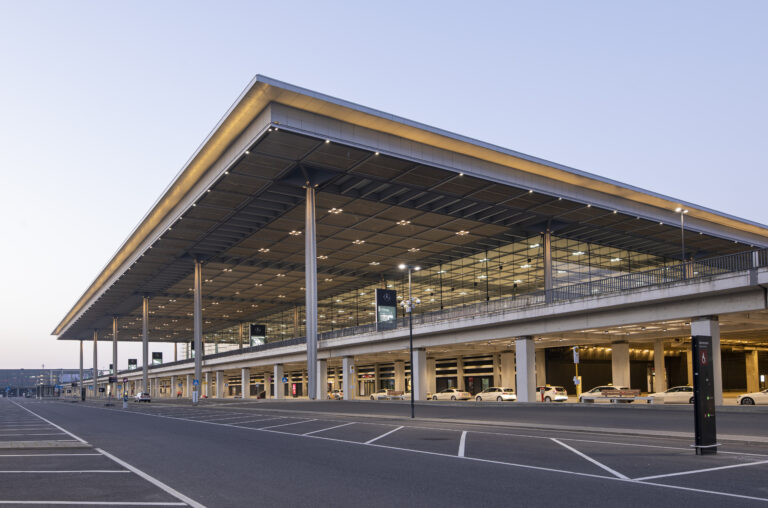
Terminal 1 at Berlin Brandenburg Airport
Arne Müseler · arne-mueseler.com · CC BY-SA 3.0 DE · Resized

Contents
  1. Where did you last actually see the keys?
  2. Lost keys at BER: terminal, aircraft or bus?
  3. Who can get you home today?
  4. If your lost keys at BER are still missing
  5. An example from the aircraft seat to the flat
  6. Lost keys at BER while a relative is helping

Where did you last actually see the keys?

You have landed, your bag has arrived, but there is no familiar jingle. Trace the places where you actually handled the keys. Were they in the cabin bag you opened on the plane? Did you put them in a tray at security? Or did you first notice the loss on the station platform? The answer helps identify the right contact.

If you may have lost keys at BER, distinguish your last clear sighting from the moment you noticed the loss. “I noticed at the terminal exit” does not prove they were lost inside. Note the flight, approximate time and route while the sequence is fresh.

Lost keys at BER: terminal, aircraft or bus?

BER directs people to its lost property office for items found in the terminal, including security or arrivals. For items lost on the aircraft or the apron bus, the airport directs passengers to the airline. Here “apron bus” means the shuttle between the aircraft and the terminal. A public bus into the city is a separate leg.

If the location is uncertain, identify both plausible legs and note which contact already has your report. Describe the fob, approximate size and distinctive features. Keep images of key cuts and your home address out of public posts. The receiving office can ask for further details directly.

Who can get you home today?

While the search continues, check who holds an authorised spare. A flatmate may be able to meet your train. Or the only person with a spare may be travelling with you. Ask which door that spare opens. A communal entrance key alone will not get you into the flat.

If you need a Berlin locksmith, book for the flat rather than your current airport location. Work from the time you can actually reach the building. Give a meeting point and a reachable contact. If proof of residence was also in missing luggage, ask what alternative the business will accept at the door.

If your lost keys at BER are still missing

Consider what went missing with the keys. A loose unlabelled key and a ring packed with a document bearing your address raise different questions. Report missing communal keys to the responsible building contact. The lost property search, access today and a possible cylinder replacement each have their own contact and timing.

An example from the aircraft seat to the flat

You took your jacket from the overhead bin and noticed an open pocket at the terminal exit. Give the airline the flight and seat area. If the loss could have happened in the terminal too, tell lost property the plausible section. Without a spare, arrange a separate callback about the Berlin flat. You can use the same private description of the keyring for both reports.

Before travelling back to the airport, confirm the match, collection point and required proof. A vaguely similar description is not enough reason for another journey. Update the spare-key holder as soon as your plan for getting home changes.

Lost keys at BER while a relative is helping

Give one person responsibility for lost property updates while another deals with access at home. Tell the relative which report has been submitted and what response is outstanding. An acknowledgement can otherwise be mistaken for a match. For collection, ask the receiving office what the person picking up the keys needs to bring.

Decision guide

Situation Next step
Left in the terminal Use the current BER lost property contact.
Left on the aircraft or apron bus Contact the airline.
Berlin flat locked Arrange a spare or an authorised opening.

Further guidance: BER Airport – lost property (German)

Related services and guides

Contact A&J Locksmith Berlin · 030 61637725

Locksmith sticker on your Berlin entrance – whose number is it?

A locksmith sticker on your Berlin entrance lists a phone number. Find out how to verify who put it there and who can book work on a shared door.

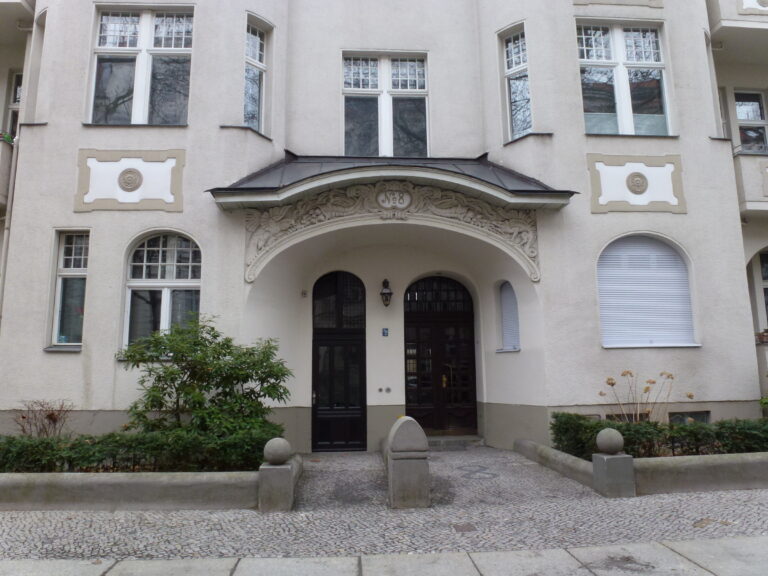
Residential entrance on Giesebrechtstraße in Berlin
Fridolin freudenfett (Peter Kuley) · CC BY-SA 3.0 · Resized

Contents
  1. Why is that number on the entrance?
  2. Locksmith sticker on a shared entrance
  3. How to check when you cannot get indoors
  4. What to do about an unverified locksmith sticker
  5. If the sticker has been there for years
  6. A locksmith sticker in a building you just moved into

Why is that number on the entrance?

A sticker right beside the doorbell panel can look official. It may name your district, promise help or sit beside genuine building notices. Its position does not identify who put it there. Before booking a nearby locksmith in Berlin, establish whether you are looking at advertising, a management contact or an existing on-call arrangement.

Copy the business name exactly as shown. Compare it with an independent document, such as your building manager’s welcome letter or a previous repair confirmation. A similar name or area code is insufficient. If the number differs, use the management contact you already know to ask which business it has designated.

Locksmith sticker on a shared entrance

If several residents are locked out of the building, compare notes. Has anyone reached management? Is there a case reference or a confirmed booking? Pick one person to collect updates. Being able to dial a number does not settle who may authorise permanent replacement of the communal cylinder.

If only your flat door is affected, say so. A company listed for building maintenance might not handle private flat openings under the same arrangement. Ask who will commission the work, the price and who will be invoiced. A building notice on its own does not establish that management will pay for a private opening.

How to check when you cannot get indoors

If the main notice is inside the locked hallway, a resident with access can read the listed contact. A saved email or tenant portal may also help. Avoid sharing pictures of the entire doorbell directory in a public group. To check the notice you usually need only the number and the business name.

You might say, “We found this number at the entrance. Who appointed you for this building and is there already a booking for our door?” Treat the answer as something to verify. If no management booking can be confirmed and you wish to book privately, agree on the price and scope under your own name.

What to do about an unverified locksmith sticker

If a sticker is confusing, tell management where it is and give the number. Ask how future faults should be reported. Save the confirmed contact under the building address. It will still be available if someone later replaces or covers the sign.

If the sticker has been there for years

Even an originally genuine building contact can become outdated. Management may have changed, a former contractor may have a new number or the house may now be on another contract. Ask about the current arrangement. Knowing the street name is not the same as confirming cover for this particular entrance and time.

A short update to residents can prevent duplicate calls. “Management is checking the notice. No visit is confirmed for our door yet” is sufficient. Save the eventual confirmation separately from the photo of the sticker so the verified contact is easy to find next time.

A locksmith sticker in a building you just moved into

Recent arrivals may not yet have a reliable building contact in their phone. Check the handover documents and ask the person who handed over the flat how current faults are reported. Save the contact under the full address. If you look after more than one property, add whether it covers communal doors only.

Decision guide

Situation Next step
Known number matches Confirm there is a booking for this specific door.
Different business Ask through a management contact you already know.
Only your flat is affected Agree the private service and price before dispatch.

Further guidance: Consumer advice on hiring a locksmith (German)

Related services and guides

Contact A&J Locksmith Berlin · 030 61637725

Locksmith running late in Berlin? How to check your booking

Locksmith running late in Berlin? Find out whether anyone was dispatched, agree a new update time and avoid booking two visits for the same door.

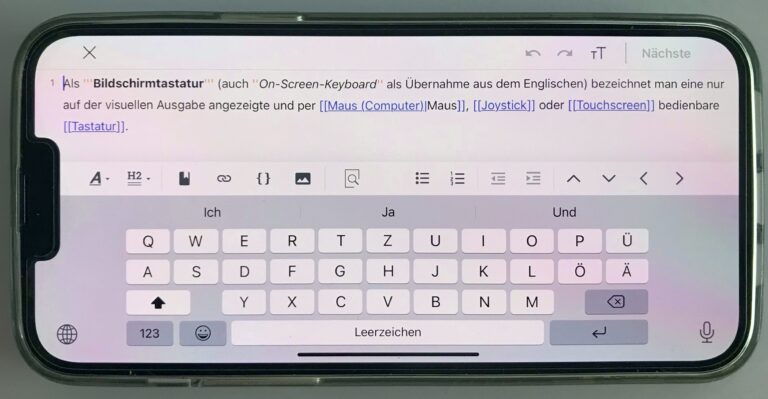
Smartphone with an on-screen keyboard
Karl432 · CC0 1.0 · Resized

Contents
  1. Was a visit confirmed or only a callback?
  2. Locksmith running late? Ask for a definite next update
  3. What if the delay changes the price or timing?
  4. When the late locksmith eventually arrives
  5. Where should you wait?
  6. Locksmith running late when you have a train to catch

Was a visit confirmed or only a callback?

Look at the last definite promise. “We'll get back to you in half an hour” may mean a call from the dispatcher. “A technician will reach your flat between six and seven” describes an arrival window. When you have been outside for an hour, that distinction makes your next call easier. Have the contact, number and wording of the confirmation ready.

A missed window does not tell you why the visit is late. The previous job might have taken longer. The technician might be at the street door while you wait in a courtyard. Start with the address under which the business booked the job. Then ask whether someone has set off and which entrance they are expecting to use.

Locksmith running late? Ask for a definite next update

“My time window ended 20 minutes ago. Is my booking still active? Who will update me, and when?” is more useful than asking repeatedly for speed. If the business cannot give a dependable arrival time, agree a time for its next update. Record whether that is a revised arrival or simply a status call.

Explain any limit on how long you can wait. Someone with children, a borrowed phone or a train to catch needs a handover plan. Another person can meet the technician if they can be reached and the provider knows what they may decide. A neighbour who simply points out the entrance does not automatically take over your booking.

What if the delay changes the price or timing?

An afternoon booking that moves into the evening can raise questions about surcharges. Before agreeing to the later window, ask which total applies to the service originally described. Keep the initial quote. If the amount changes, ask why and request a confirmation tied to your booking.

If you are considering another provider, establish the first booking's status first. Ask whether a technician is still on the way and how the business will handle ending the job. Records and times help if two providers later report a call-out. Waiting time alone does not determine what is payable in a particular case.

When the late locksmith eventually arrives

Match the name to your latest confirmation. If you have regained access, say so before any work starts. If a fault remains, describe what changed while you waited. The technician can assess the current situation instead of relying on an outdated description.

Where should you wait?

When the provider announces a further delay, you might not need to stand beside the lock. A reachable meeting point may be more convenient. Make sure the technician can actually contact or find you there. Have a message such as “I will wait in the café opposite and come to the entrance when you call” acknowledged before moving. If you borrowed the phone, check who will answer it later.

Relay any development through the original booking contact. If a flatmate brings a key, the opening may no longer be needed. If the door will not lock afterwards, describe that remaining problem separately.

Locksmith running late when you have a train to catch

Work out the latest time you can stay and give it to the business. Ask whether its new estimate fits that limit. A revised meeting point or another authorised contact is easier to arrange before departure. Keep the reply so you can later establish the status of the job.

Decision guide

Situation Next step
Callback only Ask whether a visit has been booked.
Arrival window missed Verify destination, dispatch and next contact.
Considering a second provider Clarify and record the status of the first job.

Further guidance: Consumer advice on hiring a locksmith (German)

Related services and guides

Contact A&J Locksmith Berlin · 030 61637725

If an animal is waiting with you, see a night-time lockout with a pet for planning the waiting place and supervision during the visit.

Mobile locksmith or walk-in shop in Berlin?

Need a mobile locksmith in Berlin? Check whether the business visits your door or expects you to come to a shop before setting off.

Residential entrance on Giesebrechtstraße in Berlin
Fridolin freudenfett (Peter Kuley) · CC BY-SA 3.0 · Resized

Contents
  1. What do you need to be close to?
  2. Mobile locksmith or advice at a shop?
  3. What should be confirmed before you set off?
  4. When a mobile locksmith mentions an address
  5. Reading two addresses on the same confirmation
  6. A mobile locksmith visiting a rear-building flat

What do you need to be close to?

Your apartment door has fallen shut. A business appears two streets away on a map. Before walking there, ask whether customers can actually visit that address or whether the business travels to its customers. An opening requires someone at your door. Waiting at what appears to be a shop could put you in the wrong place when the technician arrives.

A mobile locksmith may serve an area without running a walk-in shop there. Google distinguishes businesses that receive visitors from those that visit their customers. A pin, district name or short map distance tells you only part of what you need to know about the meeting point.

Mobile locksmith or advice at a shop?

State the result you need before comparing locations. With a locked-out flat, someone needs to assess access on site. For a planned cylinder replacement, you might first want advice on alternatives. Ask whether that discussion takes place at a shop, by phone or during an inspection at home.

Suppose your father is at the Berlin entrance while you are searching from work. Your search may use the office as its starting point. Give the business the address of the affected entrance and ask about travel to that door. Send your father the confirmed meeting point so he does not start another search or follow directions to the company address.

What should be confirmed before you set off?

“We cover Berlin” leaves availability unresolved. Ask for an answer that brings together the destination, job and time window. Establish whether the total includes travel. If the technician needs to inspect the door first, ask what is agreed for the visit and which further work would need your approval.

If the contact refers you to another business, note its name and number. Check whether this was a recommendation or an actual dispatch. Receiving a phone number does not itself book anyone. Remain reachable while the location or meeting point is being settled.

When a mobile locksmith mentions an address

Ask what the address is for. A billing address belongs in your records. A meeting point belongs in the booking confirmation. A collection address matters only when there is something you have agreed to collect. Keep these separate if several people are organising the visit.

Reading two addresses on the same confirmation

Suppose the confirmation shows a business address at the top and your name below it with no flat number. Clarify the destination before setting off. A helpful reply repeats the street where the door is, the kind of entrance and who will wait there. A precise vehicle location or a promise accurate to the minute is unnecessary. What you need is a shared, unambiguous arrangement.

For a future appointment, ask whether a photo or model reference is enough for the initial discussion. Do not take an installed cylinder to an address on the assumption someone will examine it there. The condition and use of the door can matter as much as the part itself.

A mobile locksmith visiting a rear-building flat

A rear-building flat can involve two meeting points: the entrance to the property and the flat door. Establish who will meet the technician at the first and who can show authority at the second. If one person does both, a short note is enough. If two people are involved, explain their roles so the booking remains clear during the handover.

Decision guide

Situation Next step
Door fell shut Confirm a visit to the affected flat.
Advice needed Confirm the location and appointment before travelling.
Map pin only Ask whether it is a walk-in location or a mobile service.

Further guidance: Google – business profiles for service-area businesses (German)

Related services and guides

Contact A&J Locksmith Berlin · 030 61637725

One locksmith for a shared entrance in Berlin

Need one locksmith for a shared entrance in Berlin? Coordinate the report, agree who can book the work and arrange how neighbours will regain access.

Entrance to a residential building in Berlin-Charlottenburg
Fridolin freudenfett (Peter Kuley) · Wikimedia Commons · CC BY-SA 3.0 · Resized

Contents
  1. One shared fault or several individual problems?
  2. Who arranges the locksmith for a shared entrance?
  3. Give the provider one usable report
  4. What happens after someone gets the door open?
  5. Handover while waiting for a locksmith for a shared entrance

One shared fault or several individual problems?

Two neighbours arrive home around the same time. Both have their usual keys and both are still on the pavement. Before each searches for a separate locksmith, compare what happened. Which entrance are you at? Is it the street entrance or a separate courtyard door? Was anyone able to use it normally a short time ago? You do not have to reproduce the fault to make a joint report.

Check that the other people had trouble with the same door. A resident who cannot open their own flat has a different issue. If several people independently noticed the same fault at the common entrance, report that observation. You do not need to diagnose the cylinder on their behalf.

Who arranges the locksmith for a shared entrance?

Choose one person to report the problem and one reachable person to meet the technician. These can be the same person. Check the building manager’s, landlord’s or housing cooperative’s usual repair contact. If the noticeboard is in the locked hallway, someone may have the number in an old message. Ask whether the building already has a contractor and whether there is a case reference.

Holding a flat key and being authorised to make permanent changes to a shared entrance are different matters. Before placing a private booking, establish who is commissioning what and who will be billed. If management cannot be reached, record your contact attempts and any replies. A group of waiting residents by itself settles neither authority nor later reimbursement.

Give the provider one usable report

A useful message might read, “Three residents are at the street entrance of the Berlin address supplied. Our usual keys did not open the common door. No fault has been reported at the individual flats. Ms M will wait at the entrance. Please tell us who is handling this and whether anyone has already been dispatched.” Include only things you know to be true.

Avoid putting every waiting resident’s name and flat number into an open group chat. The business needs one reliable contact. If another resident arrives and is able to get in, tell the coordinator immediately. Access may have been restored temporarily while the lock still needs attention.

What happens after someone gets the door open?

Getting the door open once does not settle what happens when the next resident comes home. Before the technician leaves, find out whether existing keys still work and whether another visit is planned. If a part is on order, ask management how authorised residents should enter in the meantime. Share access arrangements only with the people who need them.

A brief update is usually enough for the building chat. For example, “Management is handling the shared entrance under the case number supplied. If the problem returns, send the time and entrance to the agreed contact.” A neighbour returning from a late shift then knows whom to contact. It also remains clear who placed the original booking if billing questions arise.

Handover while waiting for a locksmith for a shared entrance

If the person waiting has to leave, update the booked business as well as the neighbours. Give the new contact and get the change acknowledged. Pass the case number and agreed scope to the replacement contact. They can then recognise the visit without making a second booking or authorising extra work on behalf of the building.

Locksmith for a shared entrance – three situations

Situation Next step
Several households at the same entrance Coordinate a single fault report.
Someone gains access in the meantime Update the coordinator and check whether an inspection is still needed.
Proposed replacement of a communal cylinder Confirm authority and subsequent key distribution with management.

Further reading

If the number came from the doorbell panel, check the locksmith sticker on your building entrance.

If residents can still enter with a key, see how to report a door buzzer fault separately.

Lock replacement quotes in Berlin – what to compare

Comparing lock replacement quotes in Berlin? Check the part, number of keys, visits and final price before choosing a locksmith for a planned replacement.

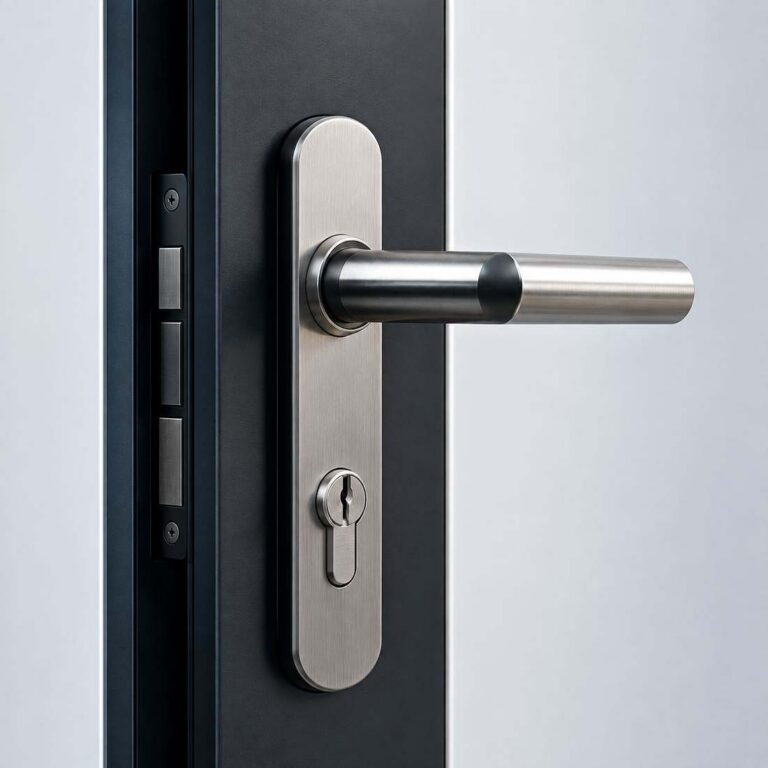
Illustration of a door lock
Illustration from the A&J media library.

Contents
  1. What do you want the door to do after the visit?
  2. Compare lock replacement quotes line by line
  3. What a lower headline figure might leave open
  4. Make the accepted quote easy to recognise later
  5. Comparing lock replacement quotes when delivery is uncertain

What do you want the door to do after the visit?

You can still enter your flat and are planning to replace the lock. One business offers a new cylinder. Another writes “complete lock” and gives a total. The lower number is only part of the decision. Write one sentence describing what you want the work to achieve. Is the sole aim to stop an old key working, or is the mechanism inside the door unreliable as well?

The cylinder is the part you put the key into. The lock case in the door and the visible fittings are separate parts. A quote may cover one or several of them. Ask each business to identify the items. If an inspection is necessary first, check the cost of that visit and whether it will be credited towards the work.

Compare lock replacement quotes line by line

Place the quotes side by side or make two columns in a note. Enter the parts, installation, travel and number of planned visits. If a figure is missing, write “unconfirmed”. A blank line is no promise that the item is included. Ask for the total you would pay as a private customer, including tax and all agreed services.

Now compare how the door will be used. Do you still need one key for two authorised entrances? Should the inside have a thumbturn or a keyhole? How many keys will be handed over? If three people need independent access, a quote for two keys needs clarification. Mention an existing shared key system early so both businesses work with the same assumption.

What a lower headline figure might leave open

Imagine a planned replacement after a flat changes hands. Quote A lists a cylinder and fitting but gives no installation date. Quote B lists the same product, two visits and a temporary solution. You may have secure access until delivery and have no use for that temporary part. Or it may be essential. Ask both providers to price the same arrangement rather than subtracting a guessed amount.

Look for expressions such as “charged by time” or “if required”. Ask what finding would trigger additional work, who may approve it and how you would learn the revised amount first. Ask the same question about an unavailable part. A substitute model may work differently or come with a different number of keys.

Make the accepted quote easy to recognise later

Reply to the version you actually want carried out. Identify the date, door and selected option. Have any telephone changes added in writing. At installation, nobody has to guess whether an extra key, a second visit or removal of the old part was agreed. Keep the declined alternatives separate.

At handover you can check three things directly. Was the agreed part installed, were the promised keys supplied and does the door operate as requested? Record any outstanding delivery or return visit separately so it remains visible after the main installation has been paid for.

Comparing lock replacement quotes when delivery is uncertain

Ask whether the date and price assume the part is already available. If delivery is only estimated, agree who will contact you when it arrives. For someone who needs time off work, that answer matters as much as the part number. Record whether the next message is simply to arrange fitting or whether you still need to confirm that the order should go ahead.

Lock replacement quotes – three situations

Situation Next step
Different parts Ask both businesses to price the same functional outcome.
Key count missing Compare the number required with the number included.
A possible return visit Establish the reason, cost and approval process before booking.

Further reading

For a part you already bought, see what to agree before fitting a supplied cylinder.

Found keys in Berlin? Where to hand them in

Found keys in Berlin? The place where you picked them up determines where to hand them in. Keep identifying details private so the owner can describe them.

Several different keys on a single keyring
Pittigrilli · Wikimedia Commons · CC BY-SA 4.0 · Resized

Contents
  1. Pavement, public transport or a public office?
  2. What if someone claims the found keys online?
  3. If you are the person searching
  4. What to pass on after handing the keys in
  5. Found keys with an address on the tag?

Pavement, public transport or a public office?

You pick up a keyring lying beside a bench on the pavement. Note the side of the street and roughly what time it was. Around a junction, a few metres can make a difference. The person who lost it may remember sitting on that particular bench and start looking in that area.

For items found on the street, Berlin’s service portal lists the district citizens’ offices and the city’s central lost property office. Outside their opening hours, Berlin also identifies local police stations as a hand-in option. Check current arrangements before travelling. If you found the keys inside a public authority’s building, contact that building’s management. Use the place where you actually picked them up.

For a find on a bus, tram, U-Bahn or S-Bahn, use the relevant transport operator. Suppose you found the keys on a seat on the U-Bahn, then had time to report it only after leaving the station. It is still a public transport find. Conversely, keys lying on the public pavement outside your building do not become a transport find simply because there is a stop nearby.

What if someone claims the found keys online?

A neighbour may suggest posting a photo in a group chat. A short message giving an approximate area, time and the office receiving the keys can help. Keep distinctive details private. A person making a claim can then describe a fob or an unusual combination of keys. Avoid publishing close-ups of key cuts, an address tag, names or security card numbers.

Do not try to match the keys to doors in the neighbourhood. A company name or flat number on a tag does not establish a current connection to an entrance. If several people in a chat claim the keys, let the receiving office handle identification. The owner can explain the matching details directly.

If you are the person searching

Separate the lost property enquiry from getting into your flat. Give the approximate place, time and a private description when asking about the keys. Berlin notes that it can take several days for items to reach the lost property office. The city lists a spare key as possible evidence when collecting keys. Ask about alternatives if you do not have a spare.

If someone can bring a spare, you may already have a way home. If you are locked out, describe the entrance to the locksmith and discuss how you can show your authority to enter. A lost property office can help trace the keys. A locksmith can assess an authorised opening or the need for a new cylinder. Both enquiries can proceed at the same time.

What to pass on after handing the keys in

Note the office, hand-in date and any reference number you receive. This lets you answer later enquiries without holding on to the keys yourself. If you first mentioned them in a building group chat, update that post with the hand-in location so neighbours know where to ask.

Found keys with an address on the tag?

Mention the address privately when handing the keys in. The person searching can tell the receiving office what the tag says. Leave the address out of any public photo, even if the post is well intentioned. If you are the owner, consider with an authorised person whether the key can be linked to a specific door. That helps you decide whether to await a reply or arrange an assessment of the affected entrance.

Found keys – three situations

Situation Next step
Found on a public pavement Choose one of the hand-in points listed by Berlin.
Found on a transport service Contact the relevant transport operator.
A claim in the building chat Give the office details and keep identifying features private.

Further reading

If your missing set had a tracker, read how to interpret the last AirTag location.

Key stuck in the lock after turning it?

Key stuck in the lock after turning? Tell the locksmith which side the key is on, whether the door is open and how long someone can stay.

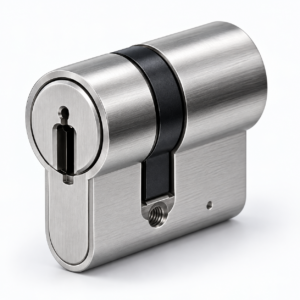
Illustration of a lock cylinder
Illustration from the A&J media library.

Contents
  1. What happened just before the key stayed in place?
  2. Key stuck in the lock on the outside?
  3. What should you tell the locksmith?
  4. What counts as completing the job?
  5. Key stuck in the lock? A short example for the booking

What happened just before the key stayed in place?

Your shopping is in the hallway. The door is open, but the key remains in the cylinder. At another flat, the same thing seems to happen, except the resident is outside a closed door. Both people might report a stuck key. The jobs are different. The first person already has access. For the second, the business first needs to establish whether an opening is needed.

Recall the last normal movement. Had you just unlocked or locked the door, or had you only inserted the key? Did the door actually open afterwards? At what point did you notice resistance? You do not need to repeat the movement to give a better account. Even “I opened the door and first noticed the problem when I tried to remove the key” narrows the job down.

Key stuck in the lock on the outside?

If the key is on the outside, say whether the door faces the street or a shared landing. Can you stay there? Can another authorised person remain by the door while you contact the provider? These details help the business judge the urgency. When arranging a visit, assume that a key left on the outside can be seen.

When the door is open, preserve the access you already have. If someone can safely stay with it, there is no need to close it for a photo or a test. A communal entrance in a block of flats is a separate matter. Inform the building manager before anyone commissions a permanent change to the shared locking system.

What should you tell the locksmith?

Say whether the key looks complete and unchanged. A visibly crooked head, previous damage or a problem that has repeatedly occurred with the same key is worth mentioning. None of these establishes the cause remotely. Avoid inserting a second key on the other side to force a diagnosis. Different cylinders behave differently.

Leave pliers, oil and household products out of the attempt. A broken fragment changes the job and makes the original fault harder to describe. Later maintenance should follow the instructions for the actual cylinder. If the provider needs a photo, ask what part they want to see. The first description does not require a picture of all the key cuts or a nameplate.

What counts as completing the job?

Agree the objective before the visit. Is the first task to assess the trapped key and preserve it if possible? Must the entrance be lockable immediately afterwards? Do other people need access? These are outcomes you can check. Asking for a complete replacement at the outset assumes a particular repair before the cause is known.

After the work, ask to see how the agreed result was checked. Ask explicitly whether you can keep using that key or should set it aside. If another visit is needed, note which entrance you can use in the meantime and who will arrange the follow-up. Other members of the household can then follow the same plan.

Key stuck in the lock? A short example for the booking

“I am inside the flat and the door is open. The key is on the landing side. I unlocked the door but cannot take it out. Someone can stay by the door until the agreed time.” That tells the business it can plan an inspection with access already available. Adapt the locations carefully. “Inside” can otherwise mean inside the building or inside the flat.

Key stuck in the lock – three situations

Situation Next step
Inside key, door open Preserve access and arrange an assessment.
Outside key, door closed Give the location, access situation and whether someone can stay.
Shared building entrance Tell the responsible building contact about the trapped key.

Further reading

If only one side is affected, see why a key may work on one side only.