Skip to content

How to message a locksmith in Berlin

If you need to message a locksmith in Berlin, use this short booking template to describe the door and arrange a written confirmation and arrival message.
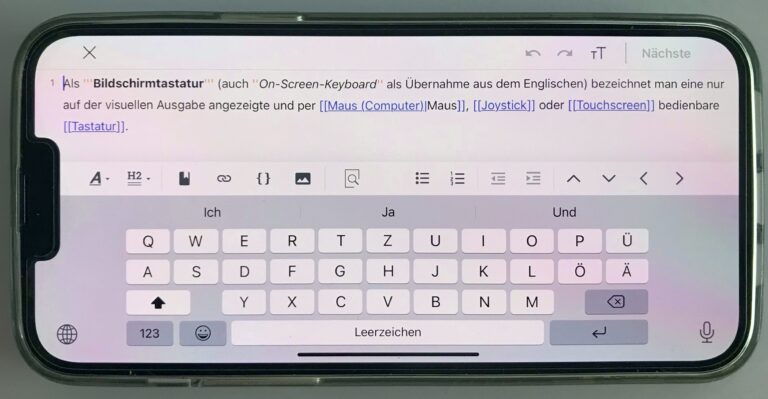
Smartphone with an on-screen keyboard
Karl432 · Wikimedia Commons · CC0 1.0 · Resized

Contents
  1. What goes in the first message?
  2. A message you can copy and adapt
  3. How to message a locksmith and recognise a booking
  4. Arrange an arrival you can actually notice
  5. How to message a locksmith with little battery left

What goes in the first message?

If you are deaf, hard of hearing or unable to speak at that moment, a callback may be of little use. Put your contact preference on the first line. “Please reply here in writing. I cannot take a phone call.” You do not need to explain a medical reason. What matters is that whoever books the visit passes the instruction on to the technician.

Make the job clear enough to avoid an unnecessary round of messages. “Door closed” could mean it swung shut or that someone locked it with a key. Say what you saw or did. If you do not know, say so. The street, postal code and type of door help the provider give a first answer.

A message you can copy and adapt

“Hello, please reply in writing only. I am outside my flat at [street, postal code, Berlin]. The door [fell shut / is locked / is in an unknown state]. I will wait at [meeting point]. Can you take the job? Please confirm the time window, total for this situation and any possible extra charges. Please message me before arrival.” Replace the brackets and delete the alternatives that do not apply.

Check that any location already in the conversation actually belongs to the door. You might be writing from another address on behalf of your mother. Add who will meet the technician and who can authorise the work. Keep personal ID documents out of an unsolicited first message and ask what needs to be shown on site.

How to message a locksmith and recognise a booking

A sent-message tick is no promise that someone is coming. An automatic reply may confirm receipt before anyone has accepted the work. Look for a reply identifying the business, destination, time window and service. If it only says “we will get back to you”, ask whether a technician has actually been dispatched. That helps avoid two bookings for the same door.

Some questions arise only once the technician sees the lock. Agree how any change will be confirmed at the door. A short written description and revised total let you read the proposal at your own pace. A companion can help with the conversation if you wish. Approval should come from the person authorised to make that decision.

Arrange an arrival you can actually notice

For a flat in a rear building, “Please message on arrival. I will be at the first courtyard entrance” is clearer than “just ring”. Include when you can be reached there. If reception in the courtyard is poor, agree a clearly visible meeting point in advance. Have the change confirmed before you move.

A&J lists WhatsApp, email and a contact form on its contact page. Choose a route that lets you read the reply. If you send the form, keep an eye on the email account you supplied. After the visit, keep the messages with the invoice so a later written question can be matched to the right booking.

How to message a locksmith with little battery left

With little battery left, prioritise the details the visit depends on. Say where you will wait and how long you can read messages. You might agree on a fixed entrance and a confirmed time window. If someone with a working phone is staying with you, they can receive the arrival message with your consent. Tell the business about the change while you are still reachable.

Message a locksmith – three situations

Situation Next step
Automatic reply only Ask for an explicit booking confirmation.
Cannot hear the bell Agree an arrival message and a visible meeting point.
Scope changes Ask for the new work and total in a single message.

Further reading

If you are asked to pay before anyone sets off, check what to confirm before an advance payment.
Locksmith reviews in Berlin – what to look for

Locksmith reviews can help you choose a Berlin provider. Look for a door problem like yours, then check the price and terms directly with the business.

Illustration of a door with a handle and lock
Illustration from the A&J media library.

Contents
  1. Which review describes your kind of door?
  2. The details worth looking for in locksmith reviews
  3. How much weight should one bad experience carry?
  4. Turn a review into a booking question
  5. Using locksmith reviews for planned work

Which review describes your kind of door?

You are standing outside your flat and search for a locksmith near you. Two businesses have almost identical star ratings. One reviewer praises a carefully planned lock replacement. Another describes getting back into a flat after the door swung shut. If your keys are on the kitchen table and you simply pulled the door closed, the second account gives you a better starting point.

Check which business the reviewer actually used. Similar names can belong to different companies. Compare the name on the profile with the linked website and the reply you receive. If another name appears, ask who will attend your Berlin address and which business will invoice you.

The details worth looking for in locksmith reviews

“Great service” tells you someone was happy. It gives you little to go on for your own booking. Look for a review that separates three moments. What did the customer agree when booking? What did the technician find at the door? What work appeared on the final invoice? Even two of those details may give you a useful follow-up question.

Pay attention to what any quoted price covers. One reviewer may mention travel but leave out the time of day. Another may give a total that includes both opening the door and fitting a cylinder. Make a note of the missing detail. You can then ask the business for a total for the situation you actually described.

How much weight should one bad experience carry?

Read a measured or critical review as well. “Nobody mentioned a second visit” raises a practical question if you need a replacement part. An angry comment with no details gives you less to investigate. A business reply may also show where customers can take an unresolved question after the visit.

Similar wording or many posts on the same day are reasons to read further. On their own they do not establish that an individual review was invented. When the reviews stop answering your question, ask the provider directly. A clear answer about the job can be worth more during a lockout than another twenty ratings.

Turn a review into a booking question

You might say, “A reviewer mentioned a new cylinder. My door simply fell shut. What is the total for opening it including travel, and when would you ask me about extra work?” This tells the business what happened and invites an answer specific to your booking. Make a short note of the name, time and reply.

If the business cannot assess the door remotely, ask what its answer assumes. Which part is agreed, and what still needs an inspection? You can compare the offer even when a remote diagnosis is impossible. Save the booking confirmation alongside the provider’s contact details. It will be easier to find than a single map review when the technician arrives.

Using locksmith reviews for planned work

If you can still get into your flat, you have time to choose. Look specifically for accounts of scheduled appointments. Did the technician bring the agreed part on the first visit? Was it clear what remained on order? Those questions matter more for planned work than the fastest late-night call-out. Set a date once you know what the business needs from you to prepare.

Locksmith reviews – three situations

Situation Next step
Only an overall rating Find an account of the same type of door opening.
A price without details Ask about travel, timing and the work included.
Two business names Confirm who will attend and invoice you before booking.

Further reading

Reporting a fault that returns after a locksmith visit

Reporting a fault to a locksmith is easier when you distinguish the original job from what is happening now. Identify the Berlin address, door and invoice. Say immediately whether you can enter, leave and secure the property.

Illustration of a door lock
Illustration from the A&J media library.

Contents
  1. Reconstruct the state at handover
  2. Describe a recurring symptom
  3. Contact the responsible firm with a specific request
  4. When the door is unsafe to leave until a callback
  5. A callback note for two different keys

Reconstruct the state at handover

After a visit it is easy to remember only that the door opened again. For a callback, distinguish whether the job covered entry alone, cylinder replacement or further work once a part arrived. Read the invoice, booking confirmation and any handover note together. An interim part can look much like a permanent repair while requiring different next steps.

Record what was actually tested at handover. Was a particular key used with the door open and closed? Was the second key unavailable? State the observed function. “Tested at handover” leaves out a useful detail if the technician used a new key and the old copy was first tried the next day. That distinction can shorten the investigation.

Describe a recurring symptom

Note when the symptom first returned. Did it happen in normal use, with just one key or only with the door shut? Did someone have to stop? Describe observations rather than treating a suspected cause as established. “The key stopped turning while locking the closed door” is more informative than “the new cylinder is bad”. Do not repeat a test that might break the key or lock you out.

If requested, a close-up of the relevant fitting or a description of a visible change may help. Keep key numbers, neighbours’ names and private documents out of the frame. Send only relevant material through a confirmed contact. A video cannot replace inspection and is no reason to force a stiff key again for the camera.

Contact the responsible firm with a specific request

Use the attending firm’s details from the paperwork. If an agency arranged the booking, provide its reference as well. Make an actionable request: “Please match this fault to Tuesday’s visit and tell me who will assess it and when I can expect a callback.” Record whether you have a confirmed inspection or simply acknowledgement of a message.

Before another visit, agree on its initial basis. Is the firm inspecting the first job or quoting for newly requested work? Who decides if a different fault is found? Costs or entitlements depend on the specific agreement and findings. For a disputed charge, documents enable a consumer adviser to assess the individual case more reliably than a general opinion without the record.

When the door is unsafe to leave until a callback

If you are locked out or cannot secure the entrance when leaving, tell the firm explicitly. The urgency of interim help is separate from establishing the cause later. If someone else must attend, record the condition before their work and whom you reached. After the follow-up, note the function tested, parts handed over, outstanding matters and the named contact.

A callback note for two different keys

Suppose one new key works after a cylinder replacement but the second catches. Note which copy was used at handover without publicly sharing a key number, and keep the two copies distinguishable. Tell the provider that one key gives access and that you need the other assessed. This is a clearer starting point than a general report that the flat is locked again.

If conditions change before the callback, add the observation and time. The firm can then distinguish the initial complaint from a newly urgent access problem.

Decision guide

Situation Next step
Same symptom soon after handover Report the time and what worked at handover to the original firm.
Different key or door involved Identify the difference from the original brief.
Flat cannot currently be secured Raise the immediate security need on the call.

Further reading

For a recurring sound at an additional lock, see what to note when a crossbar catches.

When a locksmith proposes drilling: Questions before you authorise it

The locksmith proposes drilling although the booking was for opening only. Before deciding, ask for the findings at your door: which part is affected, why a permanent alteration is proposed, and how the door will work and lock afterwards.

Illustration of a door lock
Illustration from the A&J media library.

Contents
  1. Understand the finding before authorising more work
  2. What does the revised price cover?
  3. Who can approve changes to this door?
  4. Check both entry and security at handover
  5. When approval covers only part of the job

Understand the finding before authorising more work

On the phone, the description may have been “the key is inside”. The technician can now see the door, fittings and additional locks. First ask what differs from the original assumption. Is the door key-locked, has a component failed, or is the condition still uncertain? A useful explanation identifies the finding. You do not need to know the tools or see a demonstration to discuss the scope.

A door that fell shut and one locked with a key present different conditions. Neither label predicts the outcome for every construction. Ask whether a less invasive option was considered for your case and why it is or is not suitable. A guarantee that an unfamiliar door will be unmarked is less informative than a clear explanation of what the proposed next step is expected to change.

What does the revised price cover?

Divide the decision into gaining access, replacing the affected part and checking the door afterwards. A figure for opening alone can leave securing the property unresolved. Ask for the total for the proposed solution, including parts and charges already agreed. If an item is uncertain, ask what finding is still needed to price it. Note the revised agreement and time.

Establish whether the correct permanent part is available or only an interim solution. In a master-key system, an interim replacement can mean the usual key no longer works throughout the route. Who places a later order, and is another visit required? These are practical questions about access after opening and deserve answers before an alteration is authorised.

Who can approve changes to this door?

The person waiting outside the flat may not control shared building doors, an extra crossbar or a specialist door set. For the actual component involved, check whether the landlord, property manager or system administrator should be consulted. If the decision-maker cannot be reached, ask what options remain for the door as it stands. Agreeing to a visit is not itself approval for additional work.

Suppose a guest is waiting at a holiday flat and the host approved opening only. Call the established contact and pass on the finding, cost and proposed replacement in plain language. Record who approved which work. This turns two potentially different understandings into a specific brief if the provider is now being asked to do something else.

Check both entry and security at handover

Review what was actually done. Can you enter, and can the door now be locked and opened normally with the intended keys? Are any parts or approvals outstanding? Identify the keys and invoice items and record any follow-up appointment. The documented condition should make clear whether the job ended with access only or with a completed, tested replacement.

When approval covers only part of the job

Suppose a manager approves an interim cylinder by phone but wants to decide on the permanent system the next working day. Record the boundary: which door, which temporary part and how many keys? Are old parts to be retained or returned to someone? “Everything is fine” leaves these details open. Tell the attending firm directly; an internal message to management may not reach the technician on site.

Decision guide

Situation Next step
Different findings on site Ask what changed and why the assessment is different.
Only an interim replacement available Clarify keys, further charges and follow-up.
Third-party approval needed Confirm the door and precise scope before alteration.

Further reading

When the replacement can be scheduled, see how to compare lock replacement quotes.

After an attempted DIY opening, the guide to calling a locksmith after an unsuccessful attempt explains which changes to report.

Lost mailbox key with an important letter due: What you can do today

Lost your mailbox key while waiting for an important letter? Check two things in parallel: what the sender knows about the letter and who can authorise opening your particular box. Opening restores access. Whether the letter is there remains to be checked.

Illustration of a mailbox lock
Illustration from the A&J media library.

Contents
  1. Has delivery actually been confirmed?
  2. Who has a spare, and for which box?
  3. Book the work with ongoing use in mind
  4. Close both tasks after access is restored
  5. Losing the key around moving day

Has delivery actually been confirmed?

A message is expected on Friday. On Thursday you discover that the small mailbox key is missing. Before booking an immediate opening in Berlin, ask the sender whether the item has actually been sent and to which address. “Due this week” differs from a specific delivery update. Even the latter does not replace checking your own box.

Ask whether the sender can provide the information you need again through an agreed, secure channel. This may reduce the urgency even though access to the mailbox still needs restoring. If a deadline is involved, ask the responsible organisation about its significance and options. A private locksmith cannot confirm delivery or extend a deadline for you.

Who has a spare, and for which box?

Flat and mailbox keys are often kept in the same handover envelope. Ask whoever holds your records specifically for the small key belonging to the right box. A building key may get you to the bank of boxes but still leave your compartment locked. Do not try similar keys in neighbours’ boxes. A flat number and a mailbox number are not necessarily the same.

Check with management if the label is missing, an old tenant is still named or several households share a surname. A current handover record or a confirmed allocation can help. Describe your box’s position. Photographs exposing all the neighbours’ names or details of the expected letter are generally unnecessary. The firm determines the verification needed for the particular job.

Book the work with ongoing use in mind

Say whether you need one-time access or also need to lock the box normally afterwards. Usually both matter, but opening does not automatically include a correctly fitting replacement lock. Ask whether its construction and parts can be identified beforehand or only on site. Agree who may authorise replacement in a shared installation before the visit.

Suppose the letter is urgent and the sender has replied, but a spare will arrive only that evening. You can choose to wait or get a price for an earlier visit. Either way, the authority to open the box and its identification are the same. If a part is unavailable, establish before opening what condition the box would be left in and who arranges final security.

Close both tasks after access is restored

Receive the documents yourself or have an expressly authorised person present. If the letter is absent, update the sender with what you actually found. The technician’s record generally needs the compartment and work performed. Separately note any lock replacement, the number of keys handed over and where an accessible spare will be kept.

Losing the key around moving day

Around a move it is easy to identify the wrong box. A letter may have been addressed to the old flat while the new mailbox key is already in the handover envelope. Ask the sender which address was actually used and check your present authority for that box. A previous allocation does not automatically authorise opening after handback. You may need to work through management or the current authorised occupant.

Agree on a private way to pass on mail. The locksmith need not know the letter’s contents or decide who owns individual items. Sorting out the correspondence and working on an explicitly authorised box are separate tasks.

Decision guide

Situation Next step
Dispatch uncertain Contact the sender and arrange planned access.
Box ambiguously labelled Confirm its allocation before opening.
Part unavailable immediately Agree on interim security and follow-up.

Further reading

If the whole ring was dropped into your own box, check which opening will recover the flat key.

Key will not go into the lock? How to describe the problem

Your key will not go into the lock although you are at the right door? Tell the locksmith whether it stops at the very entrance, goes a little way in or goes all the way in but will not turn.

Illustration of a lock cylinder
Illustration from the A&J media library.

Contents
  1. When the key stops before you can turn it
  2. What to notice about your own key
  3. Immediate entry or an inspection while you have access?
  4. Record the result of the inspection
  5. When it happens at only one of several doors

When the key stops before you can turn it

After a long day it is easy to pick up a similar key from the same ring. Check familiar identifying features and remember when this particular copy last worked. Has the lock changed, were keys returned or has a different door been assigned since then? After a move, an old key can carry the right coloured tag while belonging to a different lock.

Next describe where movement stops. “The tip goes in but the key does not reach its usual depth” is more precise than “the lock spins”. In the latter scenario the key is already inside and another function is involved. A precise observation helps the firm prepare without asking you to identify the cylinder type or force the key farther.

What to notice about your own key

Look at the key while it is out of the lock. Is it visibly bent, damaged at the tip or carrying debris from a pocket? Was it dropped or subjected to a heavy load? Report what you see. Filing, straightening or inserting tools into the cylinder can turn an uncertain problem into a larger one. Follow product-specific care guidance. Household products are not a diagnostic test.

If an authorised person holds a known good spare, establish when it was last used normally. Say if it worked in that door the same morning. There is no need to press every copy against obvious resistance. If the spare is nearby, discuss with the firm what would be safe and useful to observe. If the flat is open already, avoid locking yourself out simply to reproduce the fault.

Immediate entry or an inspection while you have access?

One resident is outside with no other entrance. Another notices the fault with the door open and somebody else still at home. The key symptom is identical but their needs differ. In the first case, discuss authorised entry and possible follow-up assessment. In the second, inspection of an accessible door may be arranged. The decision depends on whether the flat can be used and secured normally until that visit.

Mention changes to the fitting or visible damage to the entrance. Do not disturb marks merely to obtain a better photograph. Unusual resistance alone proves neither interference nor a particular mechanical fault. Separate observation from suspicion so the firm can identify what it can inspect at the installed door and what needs clarification beforehand.

Record the result of the inspection

Ask for a clear outcome for both the affected copy and the door. Is one damaged key to be withdrawn? Does the cylinder need further inspection? Was access restored while the cause remains unresolved? Record the answers separately. “The key works again” is little help later unless you know which copy was tested in which door and which key was withdrawn.

When it happens at only one of several doors

One key normally operates the building gate and your flat. Today it works at the gate but will not fully enter the flat cylinder. Success at the gate does not prove the other cylinder is defective, but it gives a concrete comparison. Record what happened at each entrance and whether both are meant to be on the same system. This directs the report to the correct door.

If management holds another copy, agree beforehand who may bring it. The technician can then make a comparison under suitable conditions. Leave any visible obstruction as it is rather than risking a complete blockage while trying to remove it yourself.

Decision guide

Situation Next step
Tip will not enter Identify the key and report its visible condition.
Fully inserted but will not turn Describe a turning fault to the provider.
Flat open but operation impaired Arrange inspection while the door is accessible.

Further reading

If the key is already in the cylinder and will not come out after turning, read what to report about a trapped key.

If the fault appeared immediately after painting, see a lock problem after decorating for coordinating with the companies involved.

How to verify the locksmith who arrives at your Berlin door

A locksmith arrives after you called a nearby Berlin provider. Before work starts, check that the visitor, attending company and job match your booking. This is especially useful when an agency was involved or a change of technician was announced.

Illustration of a locked door
Illustration from the A&J media library.

Contents
  1. Details worth confirming at booking
  2. Match the visitor to the booking
  3. When two firms arrive or the price changes
  4. Leave with a usable service contact
  5. When a neighbour meets the technician

Details worth confirming at booking

Ask which company is attending, how to reach dispatch and when the visit is expected. The dispatcher may not know the individual technician’s name yet. You can still record the firm and the contact that will confirm any change. Save the number you actually called or write it down. A new incoming number is a less useful starting point for a check later.

Record the essentials alongside the contact: one flat door that fell shut in the front building, no part replacement already authorised, and the total quoted. These are meaningful points to compare. Vehicle colour and similar company names are only indications. A different van alone does not prove a problem either. Base your decision on confirmation that this visitor is assigned to your job.

Match the visitor to the booking

Let the visitor identify the firm and job first instead of supplying every booking detail yourself. Compare the answer with your confirmation. If something is unclear, call the dispatcher on the number you already have and ask whether this firm was sent for this door. Calling a third number supplied only at the entrance simply moves the identification question to another person.

Verification works both ways. A clear booking also helps the firm establish who may authorise access. Mention if somebody else placed the order or your name is absent from the buzzer. Ask which records or checks are needed in your circumstances. Keep identity and tenancy documents out of view of uninvolved people in the stairwell.

When two firms arrive or the price changes

Suppose a flatmate made a separate call. A technician arrives on time but their details match the other call. Compare both confirmations and contact each firm. Establish who actually accepted a booking and who only gave a price. Do this before work starts. Once the door is open, you cannot retrospectively make one opening fulfil two separately accepted bookings.

If the visitor matches but the price differs, address that separately. Is the door actually key-locked? Is a different door involved? Has a charge appeared despite unchanged circumstances? Ask what changed and what the new total would be. Confirming the correct technician does not automatically authorise additional work.

Leave with a usable service contact

When the visit ends, record the attending firm and where to direct follow-up questions. Compare the invoice details with the assignment you confirmed. If an agency booked and a partner attended, keep both roles identifiable. That small note can save time if the key catches the next day or a charge needs explaining.

When a neighbour meets the technician

You are in the rear building and a neighbour waits by the gate because the buzzer is broken. Give her the expected company name and explain that she is simply escorting the visitor. She need not know your price or approve work. You can verify the booking at the right place without making her the customer. If she has left before arrival, tell the original dispatcher about the new meeting point.

When a company name changes, one call together is more useful than debating logos. Ask dispatch to confirm the new name against your particular job and verify the agreed terms still apply. You can then associate the signature and handover with the correct firm.

Decision guide

Situation Next step
Different firm name Confirm dispatch through the original booking contact.
Two visitors for one door Match the bookings before anyone starts.
Scope has changed Agree on the revised work and total.

Further reading

Finding a locksmith near the right Berlin door when your search location is wrong

The location that matters in a locksmith search is the door that needs attention. If you search from work, from a train or on somebody else’s behalf, “near me” may describe a different place from the one your phone is using.

Illustration of a door with a handle and lock
Illustration from the A&J media library.

Contents
  1. Two locations in one phone call
  2. Correct the location before comparing providers
  3. Who can make decisions at the door?
  4. Put the arrangements into one clear sentence
  5. Searching while travelling

Two locations in one phone call

Imagine you are at work in Mitte when your daughter calls from outside your shared flat without a key. You search on your office computer. A result might be close to your desk while the actual job is across town. Search for the location of the door and tell the dispatcher immediately that you are elsewhere. This keeps the journey to your office out of the estimate.

Record the service address, the waiting person’s location and a callback number separately. The first two are often the same. If the resident has taken shelter in a shop around the corner, agree when they will return to the entrance. A map pin near the shop can otherwise leave the technician and resident waiting one street apart.

Correct the location before comparing providers

Compare the place shown in the results with the address you need. Add Berlin, the correct district or the postcode to the search. At the city boundary, give the actual municipality. “Somewhere near Berlin” leaves too much uncertainty for dispatch. Ask the firm whether it can attend that address. A pin or a Berlin phone number alone does not establish availability.

Before sharing a location, check whether the recipient will see your current position or the entrance you deliberately selected. Include the street and number in writing. At a corner building, an entrance can be around the corner from the official street address. Directions such as “meet at the street gate; the bell is on the courtyard side” are more useful than supplying a second version of the address.

Who can make decisions at the door?

Agree with the person waiting which door needs opening and what evidence is available. Booking remotely does not make the caller the right contact for every change. Establish who can verify access on site, approve costs and report a change in the door’s condition. If a spare turns up, tell dispatch directly. Telling only a relative or your own office may not stop the journey.

Put the arrangements into one clear sentence

For example: “I’m booking from work. The job is at the residential address I gave you. My relative will be at the agreed entrance at the agreed time and can answer questions there.” Add the actual door condition, quoted price for that address and arrival window. Ask the dispatcher to read the address back. This small check confirms that the search, journey and instructions all refer to the same door.

Searching while travelling

This is especially easy to miss on a train. You may be leaving Berlin while booking access to your own flat, where an authorised flatmate is waiting. Your phone changes location during the call but the door does not. Send the booking details independently of the map link: door address, expected firm, time window and work agreed. Ask the flatmate to confirm when they meet the technician.

Agree in advance who can take the next call if you lose reception. With their consent, a second contact may coordinate arrival. Establish separately whether that person may approve extra costs. That prevents a corrected location turning into a new uncertainty about authority at the right door.

Decision guide

Situation Next step
Searching from work Search for the residential address and confirm it on the call.
Waiting somewhere else Agree when to move to the entrance.
Caller is elsewhere Agree on verification and approval before dispatch.

Further reading

For the difference between a walk-in address and a visit to your door, see mobile locksmith or walk-in shop.

Keys down a lift shaft: Arranging retrieval and access to your flat

If your keys fall down a lift shaft, contact the building manager or lift operator. Only authorised specialists should retrieve them. Separately arrange a spare key or an authorised opening if you need access to your flat.

Illustration of a locked door
Illustration from the A&J media library.

Contents
  1. Stay clear of the shaft and report the loss
  2. The operator coordinates retrieval
  3. How will you get into your flat today?
  4. Reconcile the keys after recovery
  5. When retrieval and the flat appointment clash

Stay clear of the shaft and report the loss

A key ring slips from a pocket as you step into the lift and falls through the gap. Do not reach for it with a hand, magnet or other object. Do not open a shaft door or obstruct the car. A lost item does not justify interfering with lift equipment. Keep people away from danger and report the incident through the building’s regular contact. If a person is actually at risk, an appropriate emergency call takes priority.

Identify the building, entrance, lift and floor where the keys fell. In a building with several lifts, the identifier visible from a safe public area is helpful. Say if you cannot see where the keys landed. Describe what happened; the precise position in the shaft is for authorised specialists to assess. Do not prepare tools or try to move the lift to a particular position.

The operator coordinates retrieval

Ask which firm maintains the lift and whether management will pass on the request. Before arranging a separate visit, ask whether retrieval can wait for regular maintenance or a dedicated callout is available. Timing, work and possible charges depend on the operator and circumstances. Establish who can authorise a chargeable extra job. A private flat-door locksmith is not automatically authorised to work on lifts.

Also agree how you will identify the item and get it back. The number of keys, a distinctive fob and approximate time are more useful than publicly circulating a complete key number. If you will leave the building before retrieval, nominate an authorised, reachable recipient. TÜV SÜD’s guidance covers general lift safety and operator responsibility.

How will you get into your flat today?

Assess access step by step. You might already be in your building but outside a locked flat. Alternatively, the keys might have fallen in a shopping centre and you could collect a spare on the way home. Waiting for a later lift appointment does not solve tonight’s access problem. Conversely, booking entry to the flat does not oblige you to order an immediate lift callout too.

A Berlin enquiry might be: “I locked the flat when I left. My key is inaccessible because it fell into a lift shaft. I only need help at my own flat door.” The job location is the flat. Discuss verification, total price and any parts for that job alone. The lift may be at a different address and belongs on the separate retrieval request.

Reconcile the keys after recovery

Record which keys were unavailable pending retrieval and whether any cylinder was changed. A recovered set might still operate the building and cellar doors but no longer the flat. Keep it distinguishable from new keys and update whoever holds your spare. If the ring includes an electronic fob, tell the system administrator about loss or recovery too.

When the set is returned, compare it with the original description. Is everything there? Has a relative since brought a spare, or is a locksmith still booked? Give each provider the update relevant to its job. The lift operator does not need the specification of your flat cylinder, and the locksmith needs no technical details of the lift. Two clearly defined requests avoid the confusion of a vague order about a missing key.

When retrieval and the flat appointment clash

If retrieval can happen sooner than expected, check whether the keys have been identified and are ready for handover before cancelling the flat appointment. A lift engineer travelling to the building does not mean the right set is already in your hands. Where necessary arrange authorised collection by someone else and keep the two meeting points distinct. This is particularly useful when the lift and flat are in different Berlin districts.

Decision guide

Situation Next step
Keys fall into shaft Do not retrieve them yourself; identify the operator and location.
No home access today Arrange a spare or authorised opening independently.
Set recovered after cylinder change Sort old and new keys by what they actually open.

Further reading

Lost door fob: When to revoke access and when to assess the cylinder

Lost door fob? Notify the person who administers your access rights. Issuing a working replacement and revoking the missing credential are separate steps. Assess mechanical cylinder replacement separately if a matching key is missing too.

Illustration of a lock cylinder
Illustration from the A&J media library.

Contents
  1. Identify the missing credential
  2. Issue a replacement and revoke the old credential
  3. When the mechanical key needs separate attention
  4. Finding the fob after it has been revoked
  5. A family member can still get in

Identify the missing credential

Some key rings have several flat tags. One may open the building, another the office and a third may only record working time. Identify the missing item from previous handovers. Contact management, your employer or the system operator through a known channel. Explain when you last definitely used it and whether a metal key or a document showing your address was lost with it. Do not post identification numbers in an open residents’ group.

If you are unsure which tag went missing, say so. Revoking the wrong credential could deny someone else access while the lost one remains active. The administrator can compare issue records against your description. Record the affected person, known access points, time of report and who will handle the next step.

Issue a replacement and revoke the old credential

A replacement fob may operate your door while management still needs to check the missing credential’s status. Ask about both outcomes: which replacement is active, and has the former permission effectively been withdrawn at the relevant doors? How revocation information reaches a door depends on the system and its operating state. A building containing multiple systems may require more than one contact.

SimonsVoss describes procedures for lost or stolen credentials in its own systems. This illustrates manufacturer-specific administration rather than a universal process. Use the documentation for the installed system and leave administration to authorised personnel. If a door is currently unavailable due to maintenance, ask how its pending status will be recorded and when the operator will verify the result.

When the mechanical key needs separate attention

Imagine a blue fob and two metal keys on a ring. The fob opens the street gate, one key the flat and the other the mailbox. Revoking electronic access changes neither metal key’s physical fit. Record each affected entrance. Where there is an identifiable address link, discuss with the responsible parties whether individual cylinders need securing or replacement. The communal entrance and the private flat cylinder may have different decision-makers.

If only an electronic tag is missing and no mechanical key went with it, that fact alone gives no reason to assume a mechanical fault. For immediate access, agree on an authorised interim solution. Who can meet you? Is there a temporary credential? Once inside the building, can you enter the flat? Record how the temporary credential will eventually be returned or disabled.

Finding the fob after it has been revoked

If the old fob later turns up in a jacket pocket, do not quietly put it back into circulation. Tell the contact that handled the loss. Establish whether it should be returned, reassigned or retired. A successful opening at one door would not demonstrate that permissions at all doors are correctly configured. The system operator must verify the relevant access points.

A good closing note distinguishes three outcomes: normal access restored, missing credential dealt with and mechanical keys accounted for. Assign a contact to each outstanding item. Management or the next shift can then continue the case even if you already got home after the first report. Keep the note confidential, particularly where it lists building areas or internal identifiers.

A family member can still get in

If a second, duly issued credential still works, an authorised person may be able to let you in today. The loss report remains outstanding. Tell the administrator which family member holds the working credential so it is not mistaken for the missing one. Record a temporary issue separately from a permanent replacement. How you enter today and who retains access tomorrow often have different answers.

Decision guide

Situation Next step
Only the fob is missing Ask the administrator to identify it and confirm revocation.
Both fob and metal key missing Address digital permissions and mechanical locks separately.
Old credential turns up Notify the operator and agree on its return.

Further reading

If a mechanical master key is missing as well, see how to report the affected doors.