Skip to content

Door will not latch in Berlin? How to report an unsecured door

Your door will not latch and springs back from the frame? Describe what you see, identify who manages the Berlin entrance and arrange to have it secured.
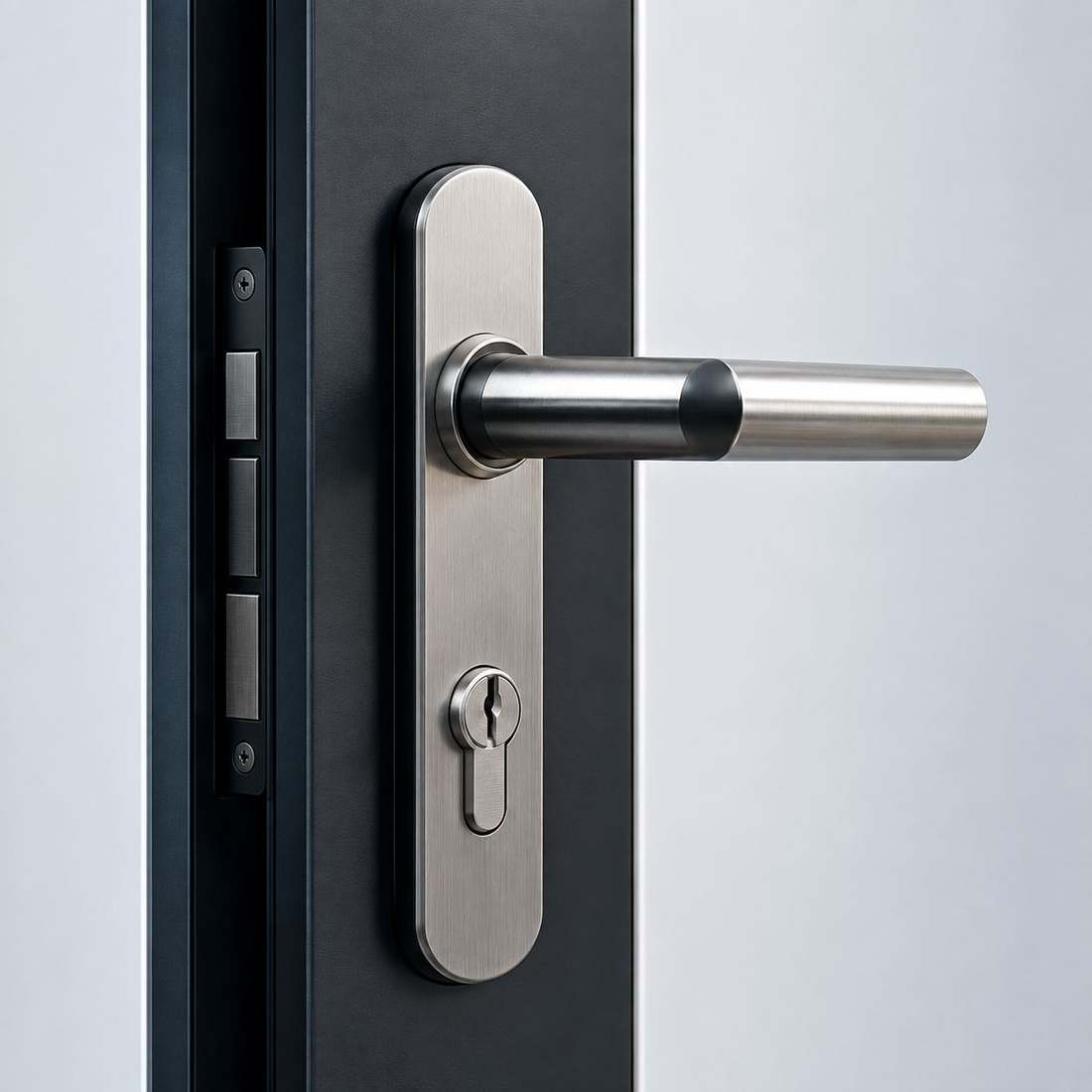
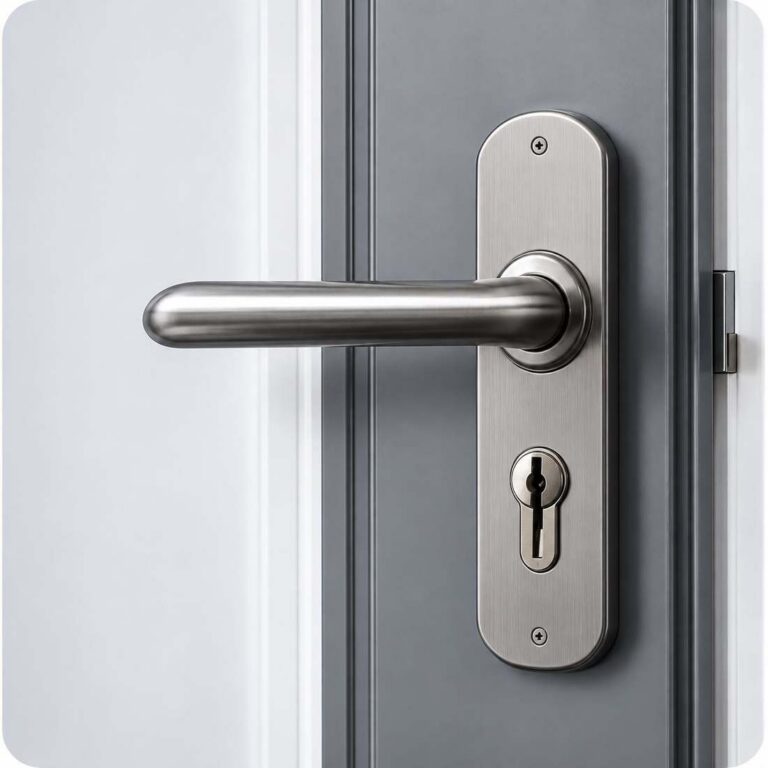
Door handle and lock on a door leaf
Illustration from the A&J media library.

Contents
  1. The door will not latch and springs back from the frame
  2. What you notice during ordinary use
  3. When the shared entrance door will not latch
  4. Do you need opening, securing or inspection?
  5. Check the result under normal conditions
  6. Door will not latch after a handover

The door will not latch and springs back from the frame

The door will not latch although it swings all the way to the frame as usual. You may hear a click, yet a light draught makes it swing open again. Tell the locksmith one thing in particular. After ordinary closing, does the door actually stay shut without anyone holding it? If you are unsure, treat the entrance as unsecured until it has been checked.

You do not need to know the cause to report it. The latch is the part of the lock designed to engage its keeper on the frame during ordinary closing. The bolt operated by the key has a different job. That is why “it won't stay shut” and “I can't lock it with the key” describe different observations.

What you notice during ordinary use

Describe the final part of the swing. Is there a gap before the door reaches the frame? Does it reach the frame and rebound? Or does it seem to stay put until the next draught? Note when you first noticed it. You can explain these differences on the phone without loosening any hardware.

For example, since the hallway was painted the door makes a closing noise but only sometimes stays shut. Mention when the work was done as a timing clue. Whether paint, a fitting, the position of the door leaf or something else matters can only be assessed on site. Ordering a part on a guess could delay a proper inspection.

When the shared entrance door will not latch

For a shared front entrance, tell management which door is affected and whether residents can still enter and leave. Mention specifically if the door can swing open from the street unnoticed. Ask who is responsible until the visit takes place. Neighbours should all be able to rely on the same agreed arrangement for a shared entrance.

Do not wedge or obstruct a shared door. Where a door is marked as fire- or smoke-resistant, refer the assessment to the responsible specialist. Mention any such marking in your report. A problem at your private flat entrance and one at a stairwell door may need different contacts.

Do you need opening, securing or inspection?

If you are inside and the door will not reliably stay shut, the first question is how it can be secured until the visit. A standard opening for someone locked out will not solve this problem. Say if you need to leave soon and who can attend the appointment. Ask the provider to describe the work they propose for that situation.

Check the result under normal conditions

After the work, ask to check an ordinary closing cycle together. The door leaf should travel normally and stay in its intended position. Establish separately whether operation with the key was checked. Agree whom to tell if the door springs back only occasionally and what observation the provider would need if it happens again.

Door will not latch after a handover

If your door will not latch during a flat handover, record the movement you observed in the handover notes. Agree who will pass the report to the tradesperson and who will remain available until the inspection. “Keys handed over” records possession of the keys. Whether the door closes and stays shut in ordinary use is a separate observation both parties can record together.

Decision guide

Situation Next step
Door will not stay at the frame Describe the time, rebound and current access.
Shared entrance opens unnoticed Inform the responsible building manager directly.
Access available but door unsecured Ask about securing or inspection and confirm the scope.

Further guidance: BKS – mortise locks and their functions (German)
Related services and guides

Contact A&J Locksmith Berlin · 030 61637725

Master key chart missing? Plan a cylinder change in Berlin

Master key chart missing before a cylinder change in Berlin? Identify the door, confirm access groups and agree who can authorise the replacement.

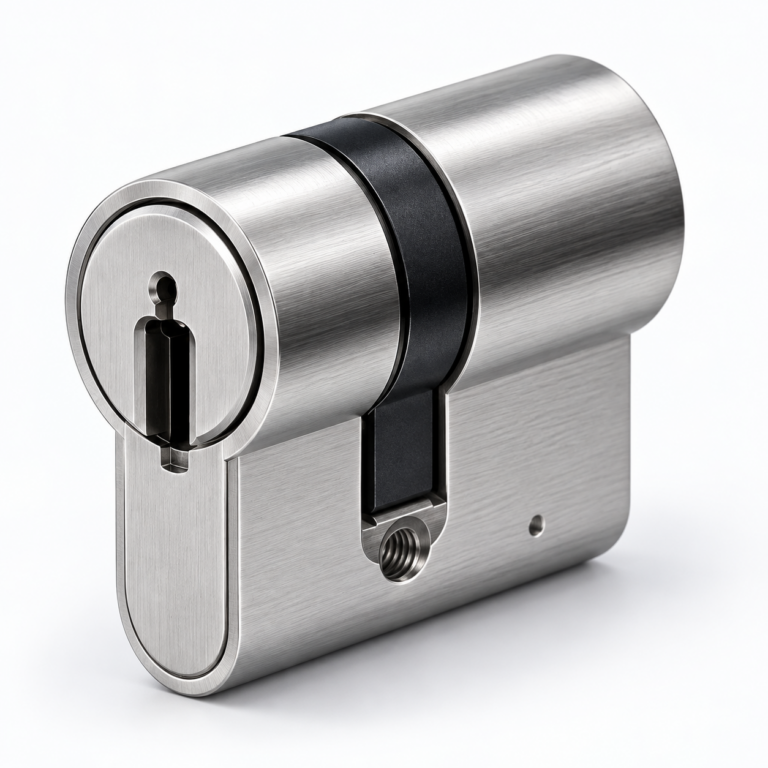
Lock cylinder showing the keyway
Illustration from the A&J media library.

Contents
  1. Master key chart missing before an order?
  2. What the master key chart records
  3. When the chart is missing, identify one door precisely
  4. The cylinder has failed while records are still missing
  5. Sign-off and handover to the next shift
  6. Master key chart missing after a management change

Master key chart missing before an order?

The master key chart is missing and a cylinder needs replacing in your Berlin building. Start by identifying the door and the person who manages the existing system. A new cylinder might physically fit the door while accepting the wrong keys. The job therefore needs a confirmed record of the intended access rights.

Imagine a door between a stairwell and an office corridor. Staff should be able to use their personal keys. The cleaning team also needs access, but not to every office. An order for “one cylinder, same size as before” omits precisely those differences. A mistake might only come to light when the next shift starts.

What the master key chart records

A master key chart assigns keys or key groups to doors or cylinders in a system. Authority to order components, a delivery note and a master key chart serve different purposes. Give any available paperwork to the person responsible for the system. A number on a card or invoice alone does not tell you all the access rights that are required.

Ask the building manager, owner or workplace key administrator for the current version. There may be a handover folder, a digital system record or a contact at the company that supplied it. Note the revision date. An old copy might predate the division of an office suite or the addition of a side entrance.

When the chart is missing, identify one door precisely

Use a unique internal door reference and describe the areas on either side. “Back office” might mean different rooms to different people. Add which user groups should currently have access and who confirmed that information. Use group names when individual names are unnecessary for the job, while keeping a record of who approved the decision.

A key that works in daily use establishes only that individual case. It cannot tell you what other keys should work. Mark uncertainties explicitly in the job notes. The aim is a reliable order. No one needs to try existing keys in other people's doors. Share a full chart only with the people responsible for the system.

The cylinder has failed while records are still missing

First establish whether the room is accessible, unusable or unable to be secured. Describe its current condition separately from the eventual replacement order. If a temporary arrangement is needed, agree with management who receives its keys, how long it will apply and who will arrange reinstatement of the intended access.

Sign-off and handover to the next shift

Agree before fitting who will attend sign-off and which authorised groups will have their access verified at the door in question. Update the controlled records and return temporary keys. In a workplace, leave a dated note for the next shift explaining which door is back in normal use and whom to contact if something differs.

Master key chart missing after a management change

After a change in management, check whether two different room names actually refer to the same door. An older document might say “archive” while the room is now called “meeting room”. Record its current location, previous name and existing door reference together. The name of the department working there now is too changeable to serve as the only identifier.

If several versions emerge, spell out their differences. A later amendment covering only a side entrance matters when reviewing that entrance. Have the responsible manager record which version applies to this particular order and where the corrected chart will be kept after installation.

Decision guide

Situation Next step
Only an old chart is available Check its date and the specific door with the administrator.
Room cannot be secured Approve the temporary arrangement and reinstatement separately.
New cylinder fitted Record the functional check and the updated assignment.

Further guidance: Schliessanlage.de – what a master key chart records (German)

Related services and guides

Contact A&J Locksmith Berlin · 030 61637725

Flat key in the mailbox in Berlin? Which door needs opening?

Flat key in the mailbox with the mailbox key on the same ring? Check access to the boxes, available spares and which opening to book in Berlin.

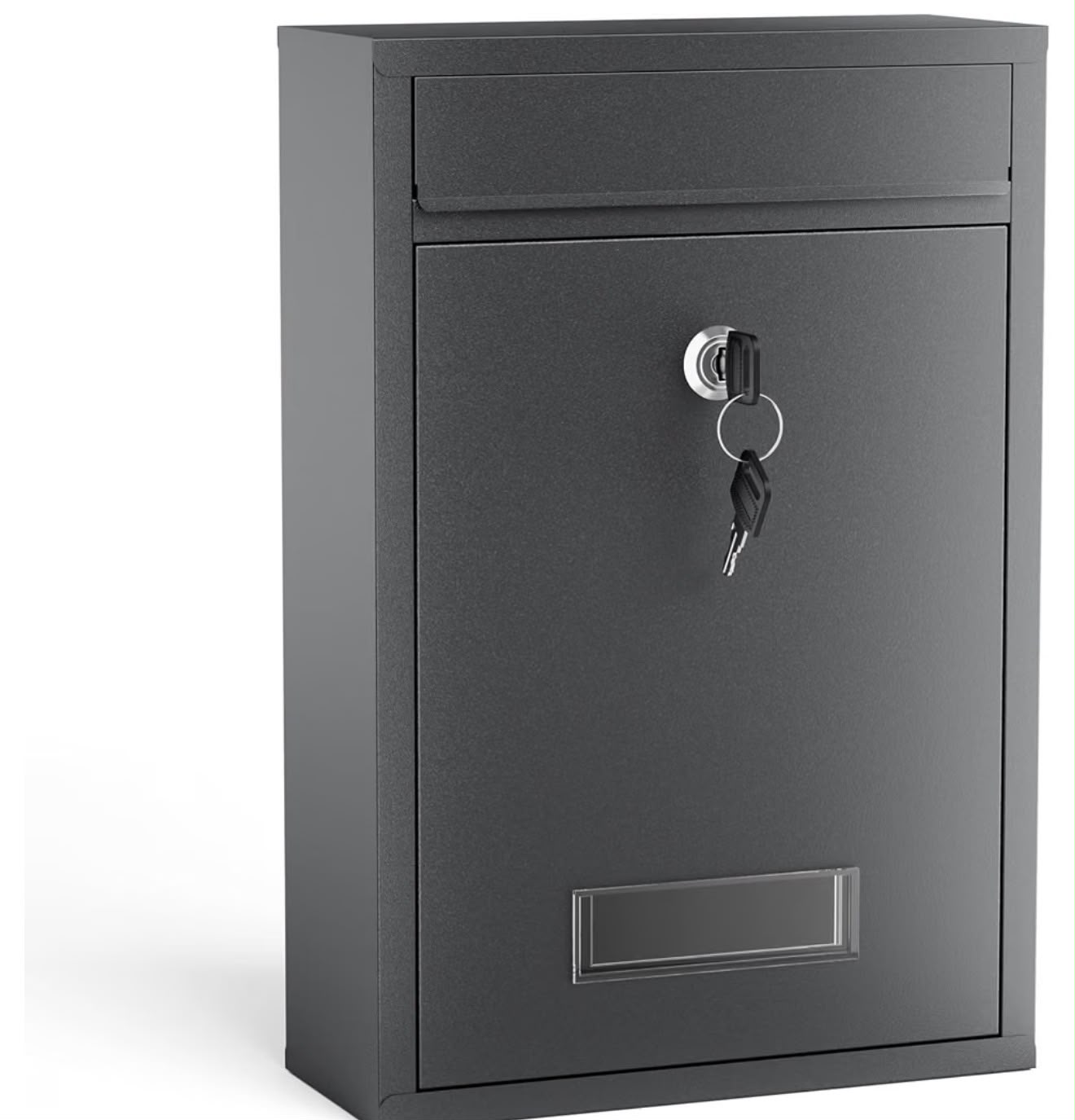
Mailbox lock on a letter compartment
Illustration from the A&J media library.

Contents
  1. Flat key in the mailbox: which box is it in?
  2. Write down three separate points of access
  3. Which compartment may be opened?
  4. Flat key in the mailbox: define the job
  5. What to check before finishing
  6. Flat key in the mailbox before a tenancy handover

Flat key in the mailbox: which box is it in?

Your flat key is in the mailbox, and the small mailbox key is on the same ring. Which opening would actually help? First check whether a spare for this specific compartment is available. Opening your flat immediately may be the longer route. If the entire ring is inside the box, one authorised mailbox opening may be all you need.

This can happen after a private key handover. Someone drops the set through the slot as agreed, but the only key for emptying the box is attached to it. Ask the person to confirm where and when they dropped it off. In buildings with several entrances, two banks of mailboxes can carry similar names.

Write down three separate points of access

List the building entrance, mailbox and flat door on separate lines. Mark each one “accessible”, “closed” or “unknown”. If the boxes are on the street, the building entrance may be irrelevant to the visit. If the mailbox is beyond a locked entrance, an authorised person must also arrange access to the boxes.

Consider where each spare is kept. If a spare mailbox key is inside the flat and your flatmate is nearly home, waiting could solve both problems. If a neighbour holds a spare flat key but no mailbox key, you can at least get home. Emptying the box can then often be arranged as a separate appointment.

Which compartment may be opened?

Say whether there is one box or a large bank of compartments. Identify the label and its relation to the entrance. If management has not updated the label after a move, confirm the assignment with them in advance. A photograph of every mailbox showing all the neighbours' names is generally unnecessary for that conversation.

Ask before the visit how you can establish your right to this particular box. If your ID is inside the locked flat, say so at booking. Agree on an available contact with management or the provider so the appointment does not begin with uncertainty about which compartment is yours.

Flat key in the mailbox: define the job

You might say “My key ring is in my own box in the front building. We can reach the boxes, but my only mailbox key was dropped in too. Can you quote for opening this compartment and tell me whether and how it can be locked afterwards?” Opening the flat and replacing parts remain separate decisions.

What to check before finishing

Count the keys on the ring and check that the box closes securely again. If a replacement lock was agreed, identify the keys supplied with it. If the compartment is empty, revisit the handover location with the person who dropped off the ring. An empty compartment does not authorise opening neighbouring boxes.

Flat key in the mailbox before a tenancy handover

If the keys were dropped off during a move, establish where the handover stands. Who currently controls the box? Who was meant to receive the keys and who can attend the appointment? A name on an envelope does not answer those questions. Agree the collection with the person currently authorised to use the box.

For a future handover, the recipient can keep a separate mailbox key until collection is confirmed. Only drop a set off by specific agreement. When several keys look alike, a direct handover with a brief receipt makes it easier to confirm afterwards which ones changed hands.

Decision guide

Situation Next step
Box outside and set confirmed inside Request a quote for this compartment only.
Box beyond a locked entrance Arrange authorised access to the boxes in advance.
Uncertain delivery location Confirm the entrance and compartment with the sender.

Further guidance: Consumer advice on hiring a locksmith (German)

Related services and guides

Contact A&J Locksmith Berlin · 030 61637725

Lost keys with an AirTag in Berlin? Read the map first

Lost keys with an AirTag in Berlin? Check when the location was updated, contact the venue and arrange access to your home while the search continues.

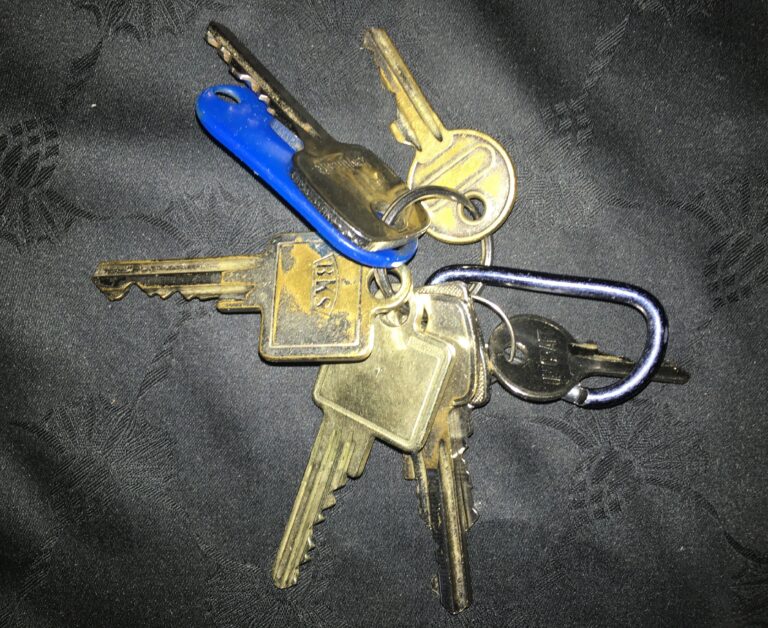
A ring holding several different keys
Pittigrilli · CC BY-SA 4.0 · Resized

Contents
  1. Lost keys with an AirTag: what the map pin tells you
  2. What to tell a lost-property desk
  3. Lost keys with an AirTag and a locked flat
  4. Could someone connect the keys with your address?
  5. Check the set when you collect it
  6. What if the AirTag was on the bag rather than the keys?

Lost keys with an AirTag: what the map pin tells you

Lost keys with an AirTag and the map still shows somewhere in Berlin? Start with the time beside the location. You are looking for the tag at its last reported position. You will only know whether the flat key is still attached when you recover it. Plan how to get home while the search is under way.

Suppose you notice the loss in the evening and the last update was at lunchtime in a café. Start by calling the café and asking about items handed in around that time. A dot that has been unchanged for hours is no reason to knock on doors in the next building or to suspect a particular person.

What to tell a lost-property desk

Describe the tag, ring or another recognisable feature. Keep one detail in reserve for collection. The person holding the set needs neither a photograph of the key blade nor your home address to check for it. Ask when you can collect it and what information they will need before handing it over.

Apple's Find My app shows the location of a previously registered AirTag and when it was updated. Nearby finding features may also be available, depending on your device. Use them in places you may access. If the map points to private premises, contact the appropriate authority or the operator of the public venue where you may have lost the set.

Lost keys with an AirTag and a locked flat

Find out whether someone you trust has a spare and when they could actually arrive. If the café is already closed, an agreed collection tomorrow morning may settle the search. You still need somewhere to stay tonight. Use the availability of a spare and the state of the door to decide whether professional opening is needed.

When booking help, give the address of your door. The tag's location is not where the locksmith should attend. Explain whether the door simply fell shut or was locked with the key, who will meet the locksmith and how authority to enter can be established. A screen in a tracking app does not establish a right to enter a particular flat.

Could someone connect the keys with your address?

Think about what disappeared along with the key. An unmarked tag differs from a bag containing both the key and a letter addressed to you. Write down which doors the missing key operates. For shared entrances, inform the responsible contact before making decisions about changes to the system.

Check the set when you collect it

Compare what was handed back with your recollection or a private key handover record. If only the tag is back, the key is still missing. If the set is complete, update anyone you told about the loss. If an opening or cylinder assessment was booked, tell the provider promptly so the booking can be updated.

What if the AirTag was on the bag rather than the keys?

Recall the last time you actually used the key. It may have gone into a coat pocket rather than the tagged bag afterwards. When reporting the loss, say which item is tracked and which you only believe was with it. If lost property later confirms that they have your bag, ask specifically about the contents before travelling to collect it.

Decision guide

Situation Next step
Last update at a café Compare the time and ask whether anything was handed in.
Spare only available tomorrow Arrange access today regardless of the map pin.
Tag recovered without the key Continue treating the key as missing.

Further guidance: Apple Support – find a lost AirTag

Related services and guides

Contact A&J Locksmith Berlin · 030 61637725

Door buzzer not working in your Berlin building?

Door buzzer not working in Berlin? Report which entrance is affected, whether a resident can enter with a key and who needs access right now.

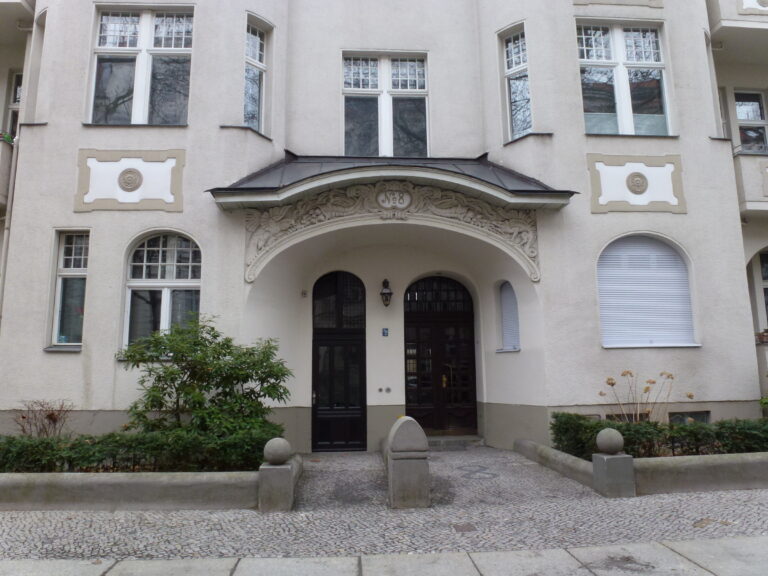
Residential entrance on Giesebrechtstraße in Berlin
Fridolin freudenfett (Peter Kuley) · CC BY-SA 3.0 · Resized

Contents
  1. The visitor can ring but cannot get in
  2. Door buzzer not working in just one flat
  3. Door buzzer not working: who needs to get in?
  4. A fault report you can pass on
  5. Check the repair from both ends
  6. Door buzzer not working before an appointment

The visitor can ring but cannot get in

If the door buzzer is not working but you can speak to your visitor, first establish whether a resident can still use the entrance with their usual key. If they can, residents still have access even though the intercom release has failed. Report these facts separately so the building manager can direct the job to the right trade.

In a Berlin apartment building, “the door won't open” might mean the street entrance, a second door to the courtyard or the flat door itself. Ask your visitor which entrance they are standing at. Being able to talk over the intercom does not establish that a release signal reaches that particular door.

Door buzzer not working in just one flat

If someone is already at home, ask whether their normal release button operates the same entrance. An observation they have already made is enough. Tell the manager what differed without diagnosing the cause yourself. “No response from flat A, normal from flat B today” is clearer than a guess about the lock.

If the visitor heard a buzz, include that detail. Say whether the door stayed closed during normal use or whether this time there was no sound at all. Either observation can help the attending trade prepare. A noise by itself does not establish that the cylinder has failed or that a replacement lock is needed.

Door buzzer not working: who needs to get in?

If only an expected visitor is waiting, you can meet them at the entrance if you are able to. Agree a time or ask them to call when they arrive. Your visit can go ahead while management deals with the fault. Close the shared entrance normally afterwards so other residents can rely on its usual operation.

If a resident with an authorised key is locked out, the enquiry changes. Describe the mechanical door, the number of entrances affected and someone who is available to meet the tradesperson. Before work on a shared entrance, establish who will authorise it in consultation with management. Opening a private flat door is a separate job.

A fault report you can pass on

A sample report reads “Front building, street entrance. Calls and speech work. The release button in the second-floor flat has not opened the door today. A resident entered normally with their key at eight. I am available this afternoon to meet someone.” The manager now has the observation, the time and a contact in one message.

Check the repair from both ends

For a booked visit, have someone available at the indoor station where the fault occurred. After the work, check the ordinary visitor sequence together. Ask separately whether the mechanical lock was inspected and what remains outstanding. That prevents a successful voice call being recorded later as confirmation that the door release itself works.

Door buzzer not working before an appointment

If someone regularly receives a care visitor and cannot get down to the entrance, agree in advance on a contact who can meet the visitor. Share that person's number only with their agreement. Tell management about the arrangement so the first technician to arrive can reach someone at the right entrance. The person coordinating today's visit may be different from the person responsible for getting the fault repaired.

For the handover, record the callback number and when someone will be at the affected indoor station.

Decision guide

Situation Next step
Speech works and the key opens Report the intercom and the affected indoor station to management.
An authorised key also fails Establish access needs and who approves work on the entrance.
Two entrances to the building Identify the exact door where the visitor is waiting.

Further guidance: Siedle – IQ HTS indoor station operating instructions (PDF) (German)

Related services and guides

Contact A&J Locksmith Berlin · 030 61637725

Locksmith advance payment in Berlin – what does it cover?

Asked for a locksmith advance payment in Berlin? Check the payee, the full call-out price and how your deposit will appear on the final invoice.

Smartphone with an on-screen keyboard
Karl432 · CC0 1.0 · Resized

Contents
  1. A payment link arrives before the locksmith
  2. What does a locksmith advance payment cover?
  3. Who is collecting the locksmith advance payment?
  4. What if you get back in before help arrives?
  5. Already paid and heard nothing?
  6. Locksmith advance payment when someone else books

A payment link arrives before the locksmith

A locksmith asking for advance payment raises two questions. Who is coming to your Berlin door, and what exactly are you being asked to pay for now? Get both answers in writing before transferring money. Give the street and the condition of the door. The provider does not need your PIN or a photo of your bank card to explain the price.

If you are standing outside your flat, it is easy to read a message on your phone as confirmation that help is on its way. A payment link alone tells you neither whether anyone has set off nor when they will arrive. Ask for the agreed arrival window. Find somewhere you can read the reply without being rushed.

What does a locksmith advance payment cover?

A quote might describe an advance as covering the call-out, part of the opening price or a component ordered for you. These are three different things. Ordering a cylinder for next week is a different decision from booking an immediate visit for a door that has fallen shut. Ask for the opening and any materials to be itemised separately.

A practical question is “What total price applies to the opening I described, including travel and surcharges, how much is payable now, and what will remain?” If you only know the deposit, you still do not know your total cost. If diagnosis must wait until someone sees the door, ask the price of that first visit.

Who is collecting the locksmith advance payment?

Compare the business named in the quote with the payment recipient. If a different company is listed, ask the business you originally contacted what its role is. It might be a payment processor. Get the connection explained. Call back on the number from your original enquiry, particularly if the payment request comes from a new contact.

A search for a locksmith near you may lead to several adverts or callbacks. Write down which business you actually booked, the time and the contact name. Tell other providers if you only asked them for a price. That way you can match each later message with the right enquiry.

What if you get back in before help arrives?

A flatmate might get home earlier than expected. Or the provider might tell you that no one can attend today. Before paying, ask what would be credited or returned in either situation, whom to contact and how to get a cancellation acknowledged. Keep the answer with the booking message.

Already paid and heard nothing?

Save the receipt, recipient, time and relevant messages. Ask for a booking update using the contact you already know. If another request for money arrives, reconcile it with the first payment and the total you agreed. If a payment seems suspicious, your own bank or payment provider can explain the options available for that transaction.

At handover, compare the invoice with your agreement. Look for the work you booked and a deduction for what you have already paid. Keep any separate authorisation for extra work alongside it. This lets you identify a specific discrepancy even if someone else met the locksmith at the door.

Locksmith advance payment when someone else books

If your daughter calls on your behalf, the booking confirmation may go to her phone while you receive the payment request. Agree who keeps the documents together and who may approve additional work at the door. The relative meeting the locksmith should know how much has been paid, so they can recognise a deposit that is missing from the invoice.

Decision guide

Situation Next step
A link without a booking Get the business, work and total confirmed first.
Opening now, fitting later Record separate amounts and dates.
Deposit paid Check the deduction on the final invoice.

Further guidance: Consumer advice on hiring a locksmith (German)

Related services and guides

Contact A&J Locksmith Berlin · 030 61637725

Lock for a replacement door in Berlin: who supplies it?

Planning a lock for a replacement door? Agree who supplies the hardware, keeps access available and checks the completed Berlin entrance with you.

Door handle and lock on a door leaf
Illustration from the A&J media library.

Contents
  1. A new door and three supply questions
  2. Specify the lock for a replacement door with both trades
  3. What happens between removal and completion?
  4. Handover of the lock for a replacement door
  5. Which records should change hands at completion?
  6. A lock for a replacement door used by several residents

A new door and three supply questions

The door leaf of a Berlin flat is to be replaced. The joiner offers an installation date and the locksmith quotes for the locking hardware. Before confirming both visits, establish who supplies the lock case, who provides the cylinder and who fits the hardware. “Complete door” can cover different things in the two offers. Ask for the actual specification ordered.

Start with how the finished entrance should work. Should the existing flat key continue to operate it? Do residents currently use an inside thumbturn? Is the entrance part of a building-wide system? Bring those answers into the joint discussion. Once a door leaf has been ordered, some changes may involve extra work.

Specify the lock for a replacement door with both trades

Ask the joiner to identify the new door and the fittings already included. Ask the locksmith to specify the cylinder function and installation requirements. Both should be looking at the same door version. If the order changes from a standard door to another model, give the revised details to both.

The existing cylinder is one common point of coordination. Even a working cylinder may not fit the dimensions of the new door and fittings. Have suitability checked for the new assembly. If the door has a designated fire protection or escape function, the responsible specialist must also establish which parts and changes are permitted for that door assembly.

What happens between removal and completion?

Door replacement is often planned for a single day. If a part is missing or one trade is late, access during the gap needs an agreed solution. Ask who decides whether work can stop and who will ensure that residents can enter and secure the flat at the end of the working day. A key taken away by the technician is of little use to residents that evening.

Agree the sequence and a reachable contact. The joiner reports when the fitted door is ready for the next step. The locksmith confirms what parts they will bring. The owner or another authorised person remains reachable to approve any scope change. Decide who will pass a revised time to residents waiting for access.

Handover of the lock for a replacement door

Check the agreed functions at the finished entrance with the trades involved. Which keys belong to the new door? Does it operate as required on both sides? Which documents cover the door assembly and which cover the cylinder? Assign any remaining item to a named contact and date. The resident should not have to mediate between two businesses to get an answer.

Which records should change hands at completion?

Door documentation, installation paperwork and cylinder details may come from different people. File them under the same flat and mark the version actually fitted. An old quote for a different fitting could otherwise mislead someone ordering a part. Give key-system records only to those responsible. A product description is enough for many initial enquiries.

If the old door leaf remains in the building until collection, agree what happens to the old cylinder and keys. A clear return record will prevent someone from mistaking them for the new door’s set.

A lock for a replacement door used by several residents

Agree when the previous flat keys are to be retired. If there is a new key system, identify who will distribute the replacements and record the handover. Someone arriving home after work will then have a working key for the new door rather than the correct key for the old one.

Decision guide

Situation Next step
New leaf, existing cylinder Confirm suitability for the new door and fittings.
Two trades on one day Record sequence, contact and agreed scope.
Delivery delay Settle access and secure temporary arrangements before work stops.

Further guidance: Consumer advice on contracting a tradesperson (German)

Related services and guides

Contact A&J Locksmith Berlin · 030 61637725

For a new door with several locking points, consider whether a further crossbar makes sense.

Install a supplied cylinder in Berlin: what to agree

Can a Berlin locksmith install a supplied cylinder? Agree how fit will be checked, what the fitting costs and what happens if the part is unsuitable.

Lock cylinder showing the keyway
Illustration from the A&J media library.

Contents
  1. What is the part you already have?
  2. Can a locksmith install a supplied cylinder after checking the fit?
  3. Who charges for what if the supplied part is unsuitable?
  4. After a locksmith installs a supplied cylinder
  5. What if the packaging is open or paperwork is missing?
  6. Asking a locksmith to install a supplied cylinder in a rented flat

What is the part you already have?

You bought a cylinder or received one from the property owner. The flat is accessible and you still have the packaging. Before booking, ask whether the Berlin business installs customer-supplied parts. Some offers combine supply and fitting. A phone quote for “cylinder replacement” does not tell you whose part the technician intends to use.

Note the maker, model and information on the package. Distinguish what you know from what still needs checking. An online product photo may represent an entire product family. It cannot identify the exact item delivered. An initial enquiry usually needs the product details and a description of the intended door.

Can a locksmith install a supplied cylinder after checking the fit?

A matching model name does not settle everything. The intended design must suit the door. The inside and outside may need different dimensions or operating features. An inside thumbturn needs room. For a shared key system, establish which existing keys and access permissions must be retained. Ask what the business can assess remotely and what can only be checked at the entrance.

If there is an imminent handover, give the date. A door that must lock securely that evening allows less flexibility than work in a vacant flat. Ask whether an unsuitable part would lead to inspection only and whether the existing arrangement could remain in use. That depends on the actual condition of the door.

Who charges for what if the supplied part is unsuitable?

Agree what happens in three outcomes before dispatch. First, the cylinder fits and is installed. Second, it is assessed but not installed. Third, a different part is needed. What will travel, inspection and labour cost in each case? Who may authorise a substitute? This keeps a fitting appointment from becoming an unexpected purchase.

Keep the seller’s receipt separate from the labour invoice. If there is a later issue, you can identify the exact part you supplied and the work the fitter did. A blanket statement about liability is no substitute for those records. A product defect and a fitting problem may have different contacts.

After a locksmith installs a supplied cylinder

At handover compare the agreed operation with the result. Do all authorised users have the correct keys? Who retains the old part, packaging and any security card? Record who receives them. This helps with future orders or reinstatement of the earlier arrangement.

What if the packaging is open or paperwork is missing?

Count the keys and documents as delivered and keep loose items with the packaging. If a security card appears to be missing, establish whether that exact model includes one. A marketing photo may not answer that. Ask the seller about the supplied contents and the fitting business about suitability for the door.

If the part might need to go back to the seller, retain the documents until a decision is made. Ask the fitter to discuss any change to your part first, so you can choose between installation and a seller enquiry.

Asking a locksmith to install a supplied cylinder in a rented flat

If the original cylinder will need to go back when you move out, keep it clearly identified together with its keys. Confirm the locking requirements with the authorised contact before fitting. This makes the eventual handover part of the plan. Record where the product documents and receipt are held without making spare-key locations public.

Decision guide

Situation Next step
Model known, door unchecked Agree on-site assessment and travel cost.
Supplied part unsuitable Authorise any replacement and extra charge first.
Fitting complete Identify who keeps the receipts, keys and original part.

Further guidance: Consumer advice on contracting a tradesperson (German)

Related services and guides

Contact A&J Locksmith Berlin · 030 61637725

Also agree who receives the removed lock parts after replacement.

Locked out on the balcony in Berlin? How to direct help

Locked out on the balcony in Berlin? Assess immediate danger first, then tell helpers which flat you are at and which entrance they can reach safely.

Door with a handle and lock cylinder
Illustration from the A&J media library.

Contents
  1. Locked out on the balcony: is anyone in immediate danger?
  2. Locked out on the balcony: which entrance can helpers reach?
  3. Have one contact meet help at the building
  4. After a balcony lockout, separate entry from later repairs
  5. How will the person on the balcony receive updates?
  6. Locked out on the balcony with no name on the bell

Locked out on the balcony: is anyone in immediate danger?

The balcony door has shut, your phone is indoors and the flat entrance is on the far side of the apartment. Attract attention from a safe position if you can. Stay on the balcony and avoid climbing across railings or towards neighbouring balconies. Ask someone you can reach to organise help. In Berlin, call 112 for immediate danger to people or a fire.

Start with the facts: “I am on my balcony and cannot get back inside.” Mention immediately if a small child is alone indoors, smoke is visible or someone is unwell. A person calling the emergency services on your behalf needs the correct address and should be able to answer the dispatcher’s questions.

Locked out on the balcony: which entrance can helpers reach?

You are on the balcony. The ordinary access route for an authorised person is often the flat door off the stairwell. Those may be on opposite sides of the building. A neighbour may see a third-floor balcony from the street while the staircase is in the second courtyard. Describe your visible location and the agreed entrance separately.

If another household member can bring their own key, establish how long that will actually take. Someone with a communal entrance key may still need a flat key. Do not assume an outside key will work in every circumstance. Report only what you really know about the other keys.

Have one contact meet help at the building

Without a phone, you may be able to speak to a neighbour in the courtyard who can contact a provider. Agree how they will relay the answer. Identify the flat, floor and entrance where they can meet the technician. Passing on an address or showing the way is one role. Authority to enter and approval of the work still need to be established.

For example: “The resident is on the courtyard balcony. I will wait at the usual building entrance. We need to discuss authorised entry through the flat door. How will you verify authority on site?” This explains why nobody can come to the flat entrance from inside. It also avoids implying that a locksmith should reach the balcony from outside.

After a balcony lockout, separate entry from later repairs

Once authorised access is restored, establish whether the balcony door itself needs attention. The initial job may have involved only the flat entrance. Record which part still appears faulty and who should receive the report. A later balcony door inspection can be arranged separately with management or the appropriate trade.

How will the person on the balcony receive updates?

Someone on a courtyard balcony may hear a neighbour below but not a technician at the street entrance. Agree a safe way to relay updates. One reachable person stays in contact, while a second can meet help at the street if needed. Give sensitive details about the flat or ID directly to the provider instead of shouting them across the courtyard.

Update those helping if conditions change. Heavy rain or a resident suddenly feeling unwell may change the original assessment. Call emergency services if there is immediate danger. An existing locksmith booking does not settle how urgent the situation is now.

Locked out on the balcony with no name on the bell

In a larger building a call from a balcony may not identify the correct bell. Give the normal entrance and meeting point through a reachable resident. Use the floor and flat location only as needed for identification. If there is doubt, the business should establish the correct door with an authorised person before opening it.

Decision guide

Situation Next step
Immediate danger Call 112 and give the emergency and address.
Safe position, neighbour present Agree who will update you and meet help at the normal entrance.
Access restored Record any separate repair requirement.

Further guidance: Berlin Fire Brigade – choosing the right emergency number (German)

Related services and guides

Contact A&J Locksmith Berlin · 030 61637725

Key works on one side of the door only?

Your key works on one side of the door only? Describe the inside and outside separately and preserve the access you already have until the visit.

Lock cylinder showing the keyway
Illustration from the A&J media library.

Contents
  1. Same door, same key, two different results
  2. Key works on one side: what is fitted on the inside?
  3. What determines how urgent the visit is?
  4. If the key still works on one side after the visit
  5. A record that keeps the two sides distinct
  6. The key works on one side for more than one resident

Same door, same key, two different results

You can enter with your key from outside, but from the inside the door will not lock as usual. Or the reverse happens. Record the two observations separately. Check that it really was the same key at the same flat door. A working communal entrance on the ground floor is not a comparison for the outside of a flat three floors up.

Ask other residents about the last normal use. Someone might remember that the inside had been stiff for a while, whereas the outside worked normally until yesterday. That timeline is useful. There is no need to reproduce the fault or shut an open door merely to confirm a theory.

Key works on one side: what is fitted on the inside?

Some doors have an inside thumbturn. Others take a key on both sides. A separate additional lock might also be present. Describe what is actually fitted and what you normally operate. If there is an inside thumbturn, describe what it does. Saying the key will not fit on the inside would point the technician in the wrong direction.

Describe the exact stage. Does the key fail to enter on the affected side? Does it go in but refuse to turn? Or does it appear to move normally while the door stays locked? Those descriptions lead to different follow-up questions. Mention visible changes to the key. Do not force it further to obtain an answer.

What determines how urgent the visit is?

An accessible flat with someone able to watch the open door allows a different time window from a home where someone cannot use their normal exit. State which side the person is on and whether another normal exit is genuinely usable. Immediate danger takes priority. Otherwise establish whether the booking is for opening, inspection or restoration of locking.

If the trouble began after a change, give the date and identify the changed part if known. New fittings, a new door and a different cylinder are different histories. Keep any invoice handy. Timing alone cannot identify the cause.

If the key still works on one side after the visit

Agree which functions should work on each side before handover. Ask the technician to demonstrate the result. Include an inside thumbturn where one is fitted. If a particular key should be retired, store it separately. A short record of side, key and outcome will also make any follow-up clearer.

A record that keeps the two sides distinct

Two lines can be enough: “Outside: opened normally with my key this morning. Inside: later the same key went in but would not turn normally.” Add whether the door was open or closed each time. Attribute any observation made by someone else. The provider can then make sense of two situations that might otherwise sound contradictory.

Use the same two lines for the result after inspection. Record which side was checked and whether anything remains unresolved on the other side. That helps residents who were not present at the visit.

The key works on one side for more than one resident

Where keys are kept separately, two observations may involve one key or two different copies. Ask whether everyone used their own. In your report, call them “my everyday key” and “our household spare”, for example. There is no need to photograph the key cuts to distinguish the two accounts.

Decision guide

Situation Next step
Outside only State where you are and what access remains.
Inside thumbturn fitted Describe its behaviour separately.
Started after a repair Have the part, date and receipt ready.

Further guidance: Consumer advice on contracting a tradesperson (German)

Related services and guides

Contact A&J Locksmith Berlin · 030 61637725

If you cannot leave the flat at all, see the guide to being locked inside your flat for arranging access from outside.